Cavalry: A Detailed Look at This Handmade Blackletter Typeface
In the landscape of digital typography, finding a typeface that balances historical authenticity with modern usability is often a challenge. Many blackletter fonts suffer from poor legibility or feel overly rigid, making them suitable only for very narrow applications. Cavalry, however, presents a compelling case study in how thematic design can be executed with both character and functional integrity. Inspired by the rugged aesthetics associated with army horses and military heritage, this handmade blackletter font offers a distinct visual identity that resonates strongly with rustic, vintage, and throwback design themes.
For designers, marketers, and content creators working on projects that require a sense of history, tradition, or raw texture, Cavalry provides a specific toolset. It is not merely a decorative element but a strategic choice that influences the tone and perception of a brand or publication. This analysis explores the practical applications, aesthetic qualities, and potential limitations of using Cavalry in professional workflows.
The Aesthetic Identity and Historical Context
To understand the value of Cavalry, one must first look at its inspiration. The font draws heavily from the imagery of cavalry units and the equestrian culture of the past. This connection to army horses lends the typeface a sense of movement, strength, and endurance. Unlike traditional Fraktur or Old English styles that can appear dense and impenetrable, Cavalry incorporates elements that suggest wear, weathering, and hand-crafted imperfection.
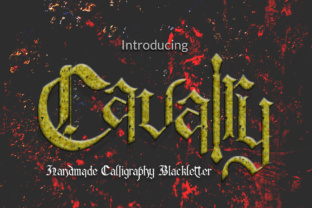
This "handmade" quality is its defining feature. In an era where digital precision is the norm, the subtle irregularities in stroke width and letterform structure create a tactile feeling. For designs aiming for a throwback aesthetic—whether for a craft brewery label, a retro gaming interface, or a historical documentary title card—this texture adds depth without requiring complex graphic overlays. The font effectively communicates a narrative before the viewer even reads the text, establishing a mood of authenticity and grit.
The visual weight of the letters is substantial, yet the spacing allows for a degree of readability that many similar typefaces lack. This balance is crucial for thematic designs where the text needs to stand out as a headline while remaining accessible to the audience. The serif details are sharp but softened by the overall roughness of the form, creating a unique hybrid between medieval calligraphy and western signage.
Key Characteristics and Design Strengths
When evaluating a typeface for long-term use, consistency and versatility are paramount. Cavalry exhibits several strengths that make it a viable option for various creative endeavors.
- Distinctive Character: The most immediate strength of Cavalry is its ability to command attention. Its heavy, bold forms are ideal for headlines, logos, and poster art where impact is the primary goal. The unique glyph shapes ensure that the design does not blend into the background of generic sans-serif or serif trends.
- Thematic Versatility: While rooted in a specific historical niche, the font’s application extends beyond mere replication of old documents. It works well in modern contexts that seek to evoke nostalgia. This could include packaging for artisanal goods, event branding for reenactments or festivals, and editorial layouts for magazines focusing on history, military affairs, or rural lifestyles.
- Handcrafted Texture: The irregular edges and varied ink traps mimic the look of letterpress printing or stenciled paint. This adds a layer of sophistication to digital designs, giving them a physical presence. It reduces the need for additional textures or filters, streamlining the design process.
Furthermore, the font family likely includes variations in weight or style, allowing for hierarchy within a single project. Using a lighter version for subheads or body accents can create a pleasing contrast against the heavier main titles, maintaining the thematic cohesion while improving readability.
Practical Applications in Professional Workflows
For professionals such as freelance graphic designers, small business owners, and educators, the utility of a font lies in its adaptability. Cavalry fits seamlessly into several common workflows.
Branding and Logo Design
Small businesses in the hospitality, automotive, or outdoor industries often struggle to find logos that convey reliability and heritage without looking cliché. Cavalry offers a middle ground. A restaurant specializing in grilled meats or a motorcycle club can use this font to signal tradition and toughness. However, care must be taken to pair it with clean, simple secondary fonts to prevent the logo from becoming visually cluttered. The complexity of the blackletter style requires negative space and minimal accompanying graphics to remain effective.
Editorial and Print Media
Publishers and bloggers covering topics related to history, warfare, or traditional crafts can utilize Cavalry for pull quotes, section headers, or cover stories. In these contexts, the font serves as a visual cue to the reader about the nature of the content. It signals that the material is serious, perhaps nostalgic, and grounded in reality. For educational materials aimed at older students or adults, the font can enhance the engagement level of historical texts, making them feel more immersive.
Digital Marketing and Social Media
In the fast-paced world of social media, static images need to stop the scroll. Cavalry’s bold presence makes it excellent for promotional banners, event flyers, and limited-time offer graphics. Campaigns for products like leather goods, whiskey, or vintage clothing benefit from the font’s association with durability and timelessness. When used in conjunction with muted color palettes and high-contrast photography, the font amplifies the emotional appeal of the advertisement.
Evaluating Usability and Limitations
No typeface is without its constraints, and Cavalry is no exception. Understanding its limitations is essential for avoiding misuse.
Legibility Concerns: As with all blackletter fonts, extended body text set entirely in Cavalry is difficult to read. The intricate details and close spacing cause eye fatigue. Therefore, it should be reserved for short bursts of text—titles, slogans, and labels. Attempting to use it for paragraphs will hinder user experience and accessibility.
Kerning and Spacing: Handmade fonts often have idiosyncratic kerning pairs. Designers must manually adjust spacing between certain characters to achieve a balanced look. Automated justification may result in uneven gaps that disrupt the visual rhythm. Patience and attention to detail are required during the typesetting phase.
Contextual Appropriateness: The rustic and military connotations of Cavalry are double-edged swords. While they add character, they also limit the font’s applicability. It is unsuitable for corporate identities, medical websites, or any context requiring neutrality, cleanliness, or forward-thinking innovation. Misapplying the font in these scenarios can send mixed messages about the brand’s values.
Who Benefits Most from Cavalry?
The ideal user of Cavalry is someone who prioritizes atmosphere and storytelling over minimalist efficiency. This includes:
- Niche Marketers: Those targeting audiences interested in heritage, craftsmanship, or adventure.
- Event Organizers: Planners for themed parties, historical reenactments, or outdoor festivals.
- Independent Artists: Musicians, authors, and filmmakers looking for album covers, book jackets, or title sequences that stand out.
- Small Business Owners: Entrepreneurs in trades like woodworking, metalworking, or farming who want their branding to reflect the hands-on nature of their work.
For these groups, Cavalry is not just a font; it is a communication tool that aligns visual form with brand substance. It helps bridge the gap between the product and the consumer’s emotional expectations.
Final Thoughts on Long-Term Value
In the broader scope of design resources, Cavalry holds a specific place. It is not a universal solution, nor is it intended to be. Its value lies in its specificity. By committing to a particular aesthetic rooted in the history of cavalry and horse-driven transport, it creates a cohesive visual language that is both recognizable and evocative.
For professionals seeking to inject a sense of history and rugged elegance into their projects, Cavalry offers a reliable and distinctive asset. Its handmade charm provides a human touch in digital spaces, reminding viewers of the tangible origins of design. When used judiciously—paired with complementary elements and reserved for appropriate contexts—it enhances the overall effectiveness of a design. The key to success is recognizing that Cavalry is best suited for moments of impact, rather than prolonged reading. By respecting its strengths and acknowledging its limitations, designers can leverage this font to create memorable, authentic, and engaging visual experiences.