The Black Veil: A Detailed Guide to MikroJihad’s Gothic Typeface
In the landscape of digital typography, few styles command as much immediate visual authority as blackletter. It is a typeface family that evokes history, tradition, and a certain rugged sophistication. Among the modern interpretations of this classic style, The Black Veil stands out as a particularly compelling option for designers and creators who need more than just a standard gothic font. Created by the Indonesian type foundry MikroJihad, this font family offers a unique blend of historical aesthetic and contemporary usability.
For professionals ranging from graphic designers and apparel entrepreneurs to marketers and hobbyists, choosing the right typeface is often the difference between a design that feels flat and one that resonates with its audience. The Black Veil is not merely a decorative element; it is a versatile tool that can elevate branding, enhance readability in specific contexts, and add a layer of visual interest to digital and print media. This article explores the characteristics, applications, and strategic value of incorporating The Black Veil into your creative workflow.
Understanding the Anatomy of The Black Veil
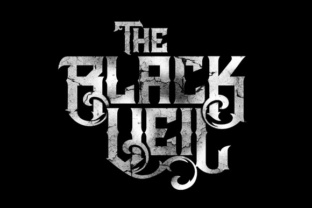
At its core, The Black Veil is a blackletter font, but it diverges from the rigid, often difficult-to-read structures of medieval manuscripts. MikroJihad has crafted a typeface that retains the "tough and rough" look associated with the genre while ensuring it remains functional for modern design needs. The font family is relatively small but meticulously curated, consisting of several distinct weights and variations designed to work in harmony.
The primary components of the family include:
- The Black Veil Regular: The foundational weight, offering a balanced approach to the gothic aesthetic. It is detailed enough to provide character without overwhelming the reader.
- The Black Veil Pro: An enhanced version likely optimized for higher-resolution displays or more complex layout requirements, providing greater fidelity to the intricate details of the letterforms.
- Alternative Versions (1, 2, and 3): These are perhaps the most distinctive features of the family. They offer alternate glyphs that allow designers to swap out standard letters for more ornate or stylized variants.
The level of detail in these fonts is significant. The strokes are not uniform; they taper and flare in ways that mimic hand-carved stone or inked parchment. However, unlike many historical typefaces that suffer from poor kerning or inconsistent spacing, The Black Veil is engineered for cohesion. The alternatives match the regular and pro versions perfectly, allowing for seamless mixing and matching. This flexibility is crucial for creating custom logos, headers, or decorative text where uniqueness is paramount.
Visual Characteristics and Design Strengths
What makes The Black Veil particularly useful is its ability to convey mood through texture and form. The "rough" look mentioned in its description is not a flaw but a feature. It suggests authenticity, grit, and timelessness. In an era where digital design often leans toward minimalism and clean sans-serif lines, a font like The Black Veil provides a necessary counterpoint. It adds weight and presence to a design.
The three alternative versions are key to its strength. They allow for what typographers call "alternates," which break the monotony of repetitive letterforms. For instance, if you are designing a word that contains multiple 'A's or 'R's, using different alternates prevents the text from looking robotic. This capability allows for almost endless combinations and possibilities, enabling designers to create bespoke typographic treatments that feel hand-crafted rather than digitally generated.
Furthermore, the font’s high level of detail ensures that it scales well when used correctly. When applied to large display formats, the intricacies of the letterforms become apparent, rewarding the viewer with close inspection. When scaled down, however, care must be taken. While it is readable, the density of the blackletter style means it requires adequate white space to breathe. Overcrowding text set in The Black Veil can lead to visual noise, reducing legibility.
Practical Applications Across Industries
The versatility of The Black Veil extends across various sectors, making it a valuable asset for both personal projects and commercial ventures. Its application depends largely on how it is paired with other design elements and the context in which it is placed.
Apparel and Merchandise
One of the most natural homes for The Black Veil is in fashion and merchandise. The font’s tough, rugged aesthetic aligns perfectly with streetwear, rock music aesthetics, vintage-inspired brands, and artisanal goods. Whether printed on t-shirts, embroidered on hats, or stamped onto leather goods, the font adds a sense of heritage and durability to the product. Entrepreneurs selling niche apparel can use this typeface to signal quality and attention to detail, appealing to customers who value craftsmanship.
Branding and Logo Design
For businesses looking to establish a strong, memorable identity, The Black Veil offers a powerful starting point. It is ideal for brands in the craft beer industry, motorcycle clubs, heavy metal bands, or heritage-focused retailers. The ability to mix and match the alternative glyphs allows for the creation of unique logotypes that cannot be easily replicated. A logo set in The Black Veil communicates stability and tradition, which can be reassuring to consumers in markets saturated with transient trends.
Digital Content and Editorial Design
While blackletter is rarely used for body text due to readability concerns, it excels as a display font in digital environments. Bloggers and publishers can use The Black Veil for section headers, pull quotes, or featured article titles. This usage breaks up long-form content and draws the eye to important information. Educators and content creators can leverage its visual impact to make learning materials or presentations more engaging. By pairing The Black Veil with clean, modern sans-serif fonts for body copy, designers can create a striking contrast that enhances user experience without sacrificing clarity.
Strategic Considerations for Implementation
Using The Black Veil effectively requires more than just dropping it into a design software. To maximize its potential, creators should consider the following practical aspects:
- Pairing Strategy: Because The Black Veil is visually dense, it should be paired with simpler typefaces. A clean geometric sans-serif or a neutral serif works best to balance the complexity of the blackletter. This contrast ensures that the overall design remains accessible and easy to navigate.
- Spacing and Kerning: Blackletter fonts often require wider tracking (spacing between letters) to prevent the thick vertical stems from merging together. When setting text, always review the spacing closely. Use the alternative glyphs strategically to improve flow and reduce visual clutter.
- Contextual Relevance: Ensure that the font aligns with the brand message. The Black Veil conveys strength, history, and sometimes rebellion. It may not be suitable for brands focused on softness, technology innovation, or healthcare, where cleaner, more approachable typefaces are preferred.
- Scalability Testing: Before finalizing any design, test the font at various sizes. What looks impressive on a billboard may become illegible on a mobile screen. Reserve The Black Veil for larger sizes where its details can be appreciated, and rely on other fonts for smaller, informational text.
Conclusion
The Black Veil by MikroJihad is more than just a novelty font; it is a sophisticated tool for visual communication. Its combination of historical aesthetic, detailed craftsmanship, and flexible alternative options makes it a standout choice for designers seeking to add depth and character to their work. Whether you are launching a new brand, designing merchandise, or enhancing editorial content, The Black Veil offers the versatility needed to create impactful designs. By understanding its strengths and respecting its limitations, creators can harness the power of this typeface to produce work that is both beautiful and effective.