Retro Font: A Playful, Layered Display Type for Nostalgic Designs
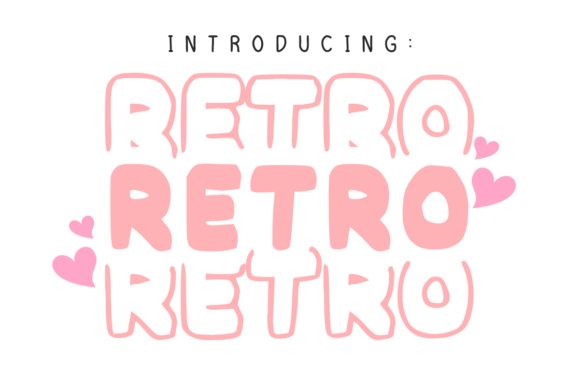
If you are looking to inject a burst of energy and nostalgia into your creative projects, the Retro font is an excellent choice. This boutique display typeface captures the essence of the 1970s and 1980s with its bold, bubbly structure and distinctive "stacked" or "echo" effect. It is not just a standard text; it is a visual statement that adds instant depth and dimension to any layout. Whether you are a seasoned graphic designer, a small business owner crafting a brand identity, or a hobbyist using cutting machines like Cricut, this font offers a unique way to bring back good vibes and soulful warmth to your work.
The appeal of Retro lies in its ability to bridge the gap between vintage charm and modern trendiness. Its wavy, organic letterforms feel hand-drawn and personal, avoiding the coldness of rigid geometric fonts. This makes it particularly effective for projects that require a sense of fun, approachability, and high-energy aesthetics. From vibrant event flyers to trendy streetwear, the font delivers a creative look that stands out on any platform.
Understanding the Retro Aesthetic
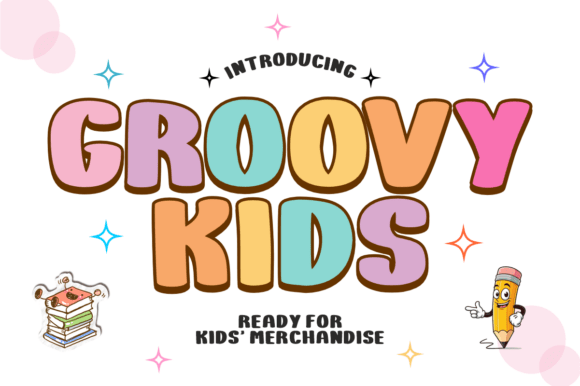
Before diving into specific applications, it helps to understand what makes Retro distinct. Unlike traditional serif or sans-serif fonts that prioritize readability above all else, display fonts like Retro are designed to grab attention. The key feature here is the layered effect. By stacking letters or adding an echo shadow, the font creates a three-dimensional illusion without requiring complex graphic design skills. This characteristic mimics the screen-printing techniques popular in the 70s and 80s, evoking feelings of peace, love, and artistic freedom.
This nostalgic flair is currently experiencing a resurgence. Modern consumers often associate retro styles with authenticity and craftsmanship. By using Retro, you tap into that emotional connection. The font’s bold nature ensures that your message is seen, while its playful curves keep the tone light and engaging. It is perfect for brands that want to appear friendly, creative, and slightly unconventional.
Ideal Use Cases for Creative Professionals
One of the most versatile aspects of Retro is its adaptability across various mediums. Here are some practical scenarios where this font shines:
- Social Media Graphics: In a digital feed saturated with content, eye-catching typography can stop the scroll. Use Retro for YouTube thumbnails, Instagram quotes, or promotional banners. The stacked effect adds visual interest that encourages users to pause and read.
- Apparel and Streetwear: For entrepreneurs selling t-shirts, hoodies, or tote bags, Retro provides a ready-made design element. It works exceptionally well for band tees, festival merchandise, or casual lifestyle brands. The font’s personality complements bold colors and simple illustrations.
- Event Marketing: Whether you are organizing a music festival, a community fair, or a birthday party, Retro sets the right mood. It is ideal for posters, flyers, and signage. The font’s high energy matches the excitement of live events and helps convey a sense of celebration.
- Stationery and Greetings: Despite its bold appearance, the hand-drawn quality of Retro makes it suitable for more intimate projects. Valentine’s Day cards, wedding invitations with a bohemian theme, or thank-you notes can benefit from its charming aesthetic. It adds a touch of whimsy that feels personal and thoughtful.
Practical Applications for Hobbyists and Educators
For those who enjoy DIY crafts or teaching, Retro is a valuable tool in the toolkit. If you use cutting machines like Silhouette or Cricut, this font is highly recommended. Its clean lines and structured layers cut cleanly, resulting in professional-looking stickers, decals, and scrapbook elements. Teachers can also use it to create engaging classroom materials, such as name tags, bulletin board headers, or educational posters that capture students' attention.
Consider the example of a local bakery creating a new logo. By incorporating Retro into their branding, they can signal a commitment to traditional baking methods and homemade quality. Similarly, a teacher designing a science project board might use the font to highlight key terms, making the information pop against a busy background. These examples show how Retro can enhance both commercial and educational contexts by adding a layer of visual hierarchy and style.
Important Considerations Before Using Retro
While Retro is a powerful design asset, there are important factors to consider to ensure it is used effectively. First, remember that it is a display font, not a body text font. Avoid using it for long paragraphs of text, as the stacked and wavy letters can become difficult to read at small sizes. Reserve Retro for headlines, titles, logos, and short phrases where impact is more important than extensive reading.
Second, pay attention to color pairing. Because Retro has a strong visual presence, it pairs best with complementary colors that enhance its vibrancy. Earth tones, mustard yellows, burnt oranges, and teal greens work well to maintain the 70s vibe. However, do not be afraid to experiment with neon accents if you want a more modern, 80s-inspired look. Just ensure there is enough contrast so the text remains legible.
Finally, consider the context of your audience. While Retro is fun and engaging, it may not be appropriate for formal corporate documents, legal contracts, or serious news outlets. It is best suited for industries related to fashion, entertainment, food, arts, and lifestyle. Always ask yourself if the playful nature of the font aligns with the message you are trying to convey. If your goal is to communicate professionalism and seriousness, a simpler, cleaner typeface might be a better choice.
Conclusion
Incorporating Retro into your design workflow allows you to harness the power of nostalgia while staying relevant in today’s creative landscape. Its unique stacked effect and organic shapes offer a fresh take on vintage aesthetics, making it a standout choice for anyone looking to add depth and character to their projects. Whether you are designing a logo, printing t-shirts, or creating social media content, this font provides a reliable way to evoke emotion and capture attention. By understanding its strengths and limitations, you can use Retro to create designs that are not only visually striking but also meaningful and memorable.