Bitink Typeface Review: Evaluating a Refreshing Blackletter for Modern Design
In an era where digital interfaces often prioritize legibility and minimalism, the resurgence of blackletter typefaces offers a distinct counterpoint. Among the newer entries in this category is Bitink, a typeface that positions itself as a refreshing take on traditional gothic scripts. For designers, brand managers, and creative professionals seeking to inject character into their work without resorting to clichéd historical reproductions, Bitink presents a specific set of opportunities and considerations. This review examines the practical application, aesthetic qualities, and functional utility of Bitink across various design contexts.
The Aesthetic Identity of Bitink
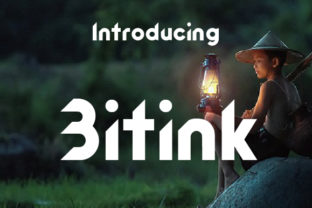
Blackletter, or Gothic script, has historically been associated with formality, heritage, and authority. However, many modern interpretations struggle to balance authenticity with contemporary readability. Bitink attempts to bridge this gap by offering letters with a "charming unusual shape." This description suggests a departure from the rigid, uniform structures of classic Fraktur or Textura styles. Instead, Bitink appears to embrace slight irregularities or organic curves that lend a hand-crafted feel to digital typography.
The "exclusive feel" mentioned in its promotional materials is not merely marketing hyperbole but a result of its unique letterforms. In a visual landscape saturated with sans-serif and geometric fonts, a well-executed blackletter can serve as a powerful focal point. Bitink’s characters are designed to stand out, providing a sense of exclusivity that is particularly valuable for brands aiming to differentiate themselves in crowded markets such as fashion, craft beverages, or artisanal goods.
Key Characteristics and Technical Performance
When evaluating a typeface for professional use, several technical attributes must be considered. Bitink’s primary strength lies in its versatility within display applications. While it may not be suitable for long-form body text due to the inherent complexity of blackletter forms, it excels in headline usage.
- Letterform Structure: The unusual shapes of the letters provide a distinctive rhythm. This variation prevents the monotonous appearance that can plague some digital blackletters, adding visual interest even at smaller sizes.
- Legibility vs. Style: There is always a tension between stylistic flair and readability. Bitink appears to lean towards style, making it ideal for short phrases, titles, and logos where immediate visual impact is prioritized over rapid information processing.
- Kerning and Spacing: Effective blackletter requires careful attention to spacing to prevent visual clutter. Early assessments suggest that Bitink handles inter-character spacing well, allowing for clean compositions in posters and banners without excessive manual adjustment.
Practical Applications in Professional Design
The utility of Bitink extends across multiple mediums, each presenting different challenges and requirements. Understanding these contexts helps determine whether Bitink fits a specific project workflow.
Branding and Logo Design
For small business owners and entrepreneurs, establishing a memorable brand identity is crucial. Bitink’s exclusive aesthetic makes it a strong candidate for logo design, particularly for businesses that want to convey craftsmanship, tradition, or luxury. Examples include breweries, tattoo studios, boutique hotels, or high-end stationery brands. The typeface’s ability to command attention means it can serve as the anchor of a visual identity system.
Editorial and Publishing
Magazines and digital publications often use blackletter sparingly to add gravitas or thematic depth. Bitink can be effectively utilized for section headers, pull quotes, or cover lines. Its charm allows it to soften the harshness of modern layouts, creating a juxtaposition between old-world elegance and contemporary editorial design. For bloggers and content creators, using Bitink for featured article titles can increase click-through rates by standing out in social media feeds.
Marketing Materials and Large-Scale Artwork
Posters, name cards, and banners benefit significantly from the bold presence of a display typeface. Bitink’s large-scale performance is particularly noteworthy. When scaled up, the intricate details of the letterforms become more apparent, rewarding the viewer with closer inspection. This quality is essential for physical marketing materials where tactile engagement complements visual appeal. Name cards printed with Bitink can leave a lasting impression, signaling attention to detail and a premium service level.
Audience Fit and User Intent
Not every designer or business will find Bitink appropriate. Its effectiveness depends heavily on the target audience and the message being conveyed.
Who Benefits Most?
- Freelancers and Creatives: Those looking to offer specialized branding packages may find Bitink a valuable asset in their toolkit, allowing them to cater to niche clients seeking unique typographic solutions.
- Marketers: Campaigns aimed at audiences who value authenticity and heritage can leverage Bitink to evoke trust and timelessness. It works well in seasonal campaigns, limited-edition product launches, or event promotions.
- Educators and Publishers: For materials related to history, art, or literature, Bitink can provide an authentic visual language that enhances the subject matter without requiring complex custom illustrations.
Potential Limitations
Despite its strengths, Bitink is not a universal solution. It may clash with minimalist design philosophies or tech-focused brands that prefer clean, neutral aesthetics. Additionally, because blackletter is visually dense, it requires ample white space to breathe. Overcrowding a layout with Bitink can lead to visual fatigue, reducing the overall effectiveness of the communication. Designers must exercise restraint, using the typeface as an accent rather than a dominant element.
Quality, Consistency, and Long-Term Value
From a production standpoint, the consistency of a typeface is vital for maintaining brand integrity. Bitink demonstrates a coherent voice across its character set, ensuring that mixed-case settings or ligatures (if available) maintain the same stylistic weight. This reliability reduces the need for extensive post-processing in design software, streamlining the workflow for professionals under tight deadlines.
The long-term value of Bitink lies in its timeless yet fresh appeal. Trends in typography cycle rapidly, but blackletter has remained a staple of Western calligraphy. By offering a "refreshing" interpretation, Bitink avoids feeling dated while still tapping into the enduring popularity of gothic scripts. For agencies and freelancers, investing in a versatile, high-quality font like Bitink can enhance the perceived value of their services, justifying higher rates for bespoke design work.
Conclusion
Bitink represents a thoughtful contribution to the landscape of display typefaces. It successfully balances the dramatic potential of blackletter with the demands of modern design sensibilities. For professionals seeking to add a touch of exclusivity and charm to headlines, logos, and print materials, Bitink offers a reliable and aesthetically pleasing option. However, its use should be strategic, reserved for contexts where its distinctive character can shine without overwhelming the viewer. As with any typographic choice, the success of Bitink ultimately depends on the skill of the designer in integrating it harmoniously within the broader visual narrative.