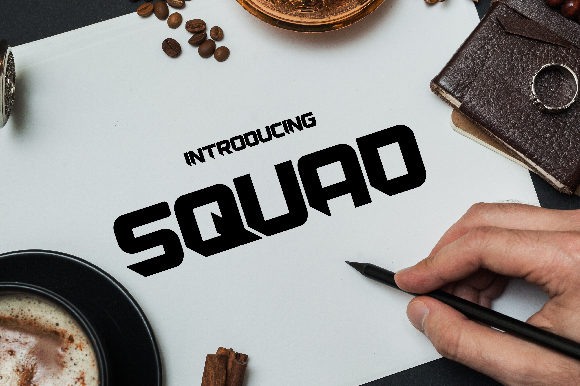
Squad: The Bold Impact of Uppercase Blackletter in Modern Design
In an era where digital noise is constant and attention spans are fragmented, visual hierarchy has never been more critical. Designers and brand strategists are increasingly turning to typography not just as a vessel for text, but as the primary vehicle for emotional resonance. Among the tools available to achieve this, Squad stands out as a distinctive choice for those seeking immediate impact. It is not merely a font; it is a statement. Defined by its robust uppercase blackletter structure, Squad brings a sense of authority, heritage, and raw energy to any project. For professionals ranging from freelance graphic designers to marketing directors at established firms, understanding the strategic application of such a powerful typeface is essential for creating designs that do not just communicate, but command.
The Evolution of Blackletter in Contemporary Contexts
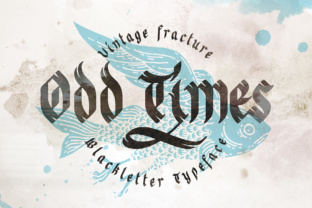
Blackletter, historically associated with medieval manuscripts and traditional Germanic scripts, might seem like an archaic choice in our sleek, minimalist, and sans-serif-dominated digital landscape. However, the resurgence of serif and decorative typefaces in recent years indicates a growing fatigue with uniformity. Audiences are craving texture, history, and character. This shift represents a move away from the sterile perfection of early web design toward a more tactile, human-centric approach to communication.
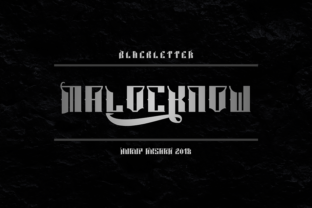
Squad capitalizes on this trend by stripping away the excessive complexity often found in historical blackletters while retaining their core strength. Unlike fonts that attempt to mimic handwriting or organic irregularities, Squad leans into geometric precision within a traditional framework. Its characters are strong, deliberate, and unapologetic. This makes it particularly relevant for brands looking to bridge the gap between tradition and modernity. It suggests stability and longevity without feeling outdated. In a market saturated with clean, friendly, and approachable sans-serifs, Squad offers a necessary counterpoint—a way to inject gravity and seriousness into a design system.
Bridging Heritage and Modern Aesthetics
The relevance of Squad lies in its versatility across different industries. While blackletter is traditionally linked to brewing, heavy metal music, or legal institutions, its application has expanded significantly. Modern branding often relies on juxtaposition. Pairing a heavy, uppercase blackletter like Squad with a lightweight, modern sans-serif creates a dynamic tension that captures the eye. This contrast allows designers to highlight key messages while maintaining readability in body copy. For instance, a craft brewery might use Squad for its logo to evoke artisanal roots, while using a clean sans-serif for nutritional information and website navigation. This duality speaks to a consumer base that values both authenticity and convenience.
Furthermore, the rise of "neo-brutalism" and other experimental design movements has opened doors for more aggressive typographic choices. These styles reject polished perfection in favor of raw, bold expressions. Squad fits seamlessly into this ecosystem. Its strong characters can serve as the anchor for layouts that prioritize emotional impact over subtle elegance. By using Squad, designers signal that their content is substantial and worth paying attention to. It cuts through the clutter of social media feeds and crowded storefronts, offering a visual pause that demands engagement.
Practical Applications for Creators and Businesses
For creators, entrepreneurs, and marketers, the decision to incorporate Squad into a design project requires thoughtful consideration. It is not a font meant for long-form reading. Its density and weight make it unsuitable for paragraphs or small interface elements. Instead, its power lies in its ability to function as a headline, a logo mark, or a focal point. Understanding these limitations is key to leveraging its strengths effectively.
- Brand Identity and Logos: Squad is ideal for businesses that want to project strength and reliability. Tech startups in cybersecurity, law firms specializing in corporate defense, or fitness brands focusing on strength training can all benefit from the imposing nature of uppercase blackletter. The font communicates that the entity is established and confident.
- Event Marketing and Posters: In the realm of physical and digital event promotion, Squad excels. Concert posters, festival banners, and product launch announcements require immediate visibility. The high contrast and thick strokes of Squad ensure legibility even from a distance or at small screen sizes. It adds a layer of prestige and excitement to the event, suggesting that it is a significant occasion.
- E-commerce and Packaging: For product packaging, especially in the luxury goods, spirits, or specialty food sectors, Squad can elevate perceived value. A label featuring Squad feels curated and intentional. It distinguishes the product from mass-market competitors who rely on generic typography. When used sparingly on packaging, it draws the consumer’s eye to the brand name, reinforcing recognition and recall.
Integrating Squad into Digital Workflows
In the digital space, where responsiveness and load times are paramount, the use of custom or display fonts like Squad requires technical foresight. Designers must ensure that the font files are optimized to prevent slowing down page loads. Utilizing web-safe subsets or converting the font to SVG formats for logos can mitigate performance issues. Additionally, accessibility remains a concern. Because blackletter can be difficult to read at small sizes or low resolutions, it is crucial to pair Squad with highly accessible fallback fonts for supporting text. Screen readers generally handle text correctly regardless of font style, but visually impaired users relying on zoom features may struggle with the intricate details of blackletter if not scaled appropriately.
Moreover, the integration of Squad into user interface (UI) design should be approached with caution. While it can be used for call-to-action buttons or section headers to create visual interest, overuse can lead to cognitive overload. The goal is to guide the user, not overwhelm them. A balanced approach involves using Squad for primary headings and letting neutral, readable fonts handle the informational hierarchy. This ensures that the design remains functional while still delivering a strong aesthetic punch.
Trends Shaping the Future of Typographic Expression
As we look toward the future of design, several trends suggest that the demand for expressive, character-driven typography will continue to grow. One such trend is the personalization of digital experiences. Consumers are increasingly drawn to brands that feel authentic and unique. Generic templates and stock assets are losing their appeal. Squad, with its distinct personality, allows brands to carve out a specific niche identity that resonates with targeted audiences.
Another developing area is the fusion of physical and digital design. As augmented reality (AR) and virtual environments become more prevalent, typography takes on new dimensions. In 3D spaces, the depth and shadow of blackletter characters like those in Squad can create immersive experiences. Imagine a digital billboard where the letters of Squad appear to cast real shadows or interact with the environment. This potential for spatial typography opens up exciting possibilities for creative directors and motion graphics artists.
Additionally, the global conversation around cultural heritage is influencing design choices. There is a renewed interest in indigenous and historical scripts, leading to a broader appreciation for non-Latin and traditional Latin variations. Squad, while rooted in Western blackletter traditions, participates in this broader dialogue about the importance of script in cultural expression. By using such fonts responsibly and respectfully, designers can honor the history of type while adapting it for contemporary needs.
Strategic Recommendations for Implementation
To maximize the effectiveness of Squad, professionals should adhere to a few practical guidelines. First, always test legibility across various devices and screen sizes. What looks striking on a large desktop monitor may become illegible on a mobile phone. Second, consider color theory. Blackletter fonts often perform best in high-contrast scenarios. White text on a dark background or vice versa can enhance the dramatic effect. Third, limit the use of Squad to short phrases. Even a single word set in Squad carries significant weight; adding more text dilutes its impact. Finally, ensure that the tone of the content matches the tone of the font. Squad is serious and bold; it does not suit lighthearted or whimsical messaging. Aligning the font’s personality with the brand’s voice is essential for cohesive communication.
Conclusion
The return of strong, distinctive typefaces like Squad reflects a maturing design landscape where substance and style are equally valued. It is no longer enough to be clear; designs must also be memorable. Squad provides the tools to achieve this balance. Its uppercase blackletter form offers a timeless yet modern solution for brands and creators seeking to stand out in a crowded marketplace. By understanding its strengths, respecting its limitations, and integrating it thoughtfully into broader design systems, professionals can harness the full potential of this powerful font. Whether for a logo, a poster, or a digital campaign, Squad reminds us that typography is not just about reading—it is about feeling. In a world that moves fast, sometimes you need a font that stops people in their tracks.