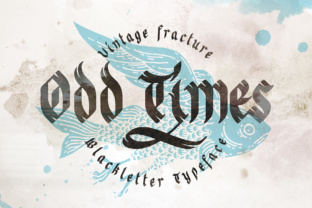
Odd Times: Integrating Medieval Blackletter into Modern Design Workflows
In an era dominated by minimalist sans-serifs and clean geometric grids, the inclusion of a typeface like Odd Times represents a deliberate deviation from the norm. This medieval blackletter typeface, inspired by old fracture calligraphy, is not merely a decorative afterthought; it is a powerful tool for establishing immediate visual hierarchy and historical context. For professionals, creators, and small business owners, understanding how to integrate such a distinct font requires a shift in perspective—from viewing typography as purely functional to seeing it as a strategic asset in brand communication.
The process of working with Odd Times involves more than simply selecting it from a dropdown menu. It demands an understanding of its historical roots, its visual weight, and its specific use cases within broader design projects. Whether you are a marketer crafting a limited-edition campaign, an educator designing course materials on history, or a freelancer building a portfolio for a heritage brand, the integration of this typeface must be handled with precision. The goal is to leverage its aesthetic power without compromising readability or modern usability standards.
Understanding the Typeface in Context
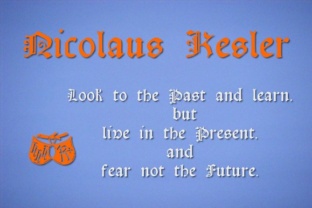
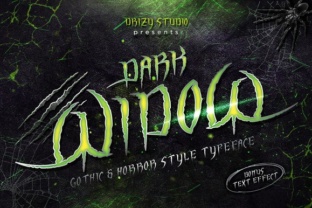
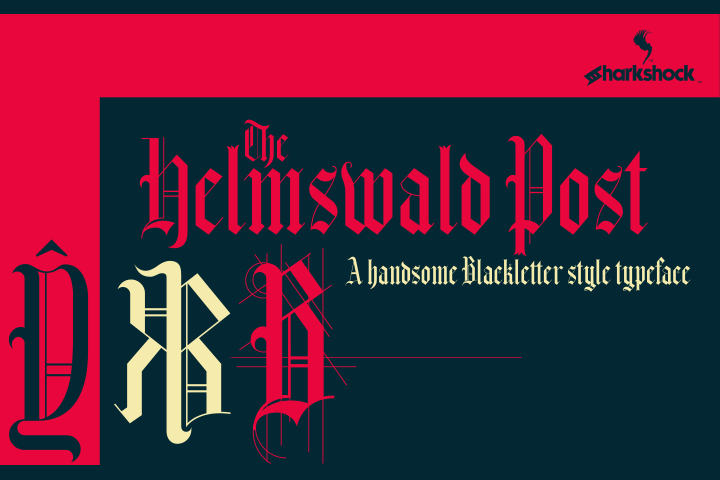
Odd Times is rooted in the tradition of Gothic script, specifically drawing inspiration from the fractured strokes of medieval calligraphy. Unlike standard serif fonts that prioritize legibility across long passages of text, blackletter typefaces are designed to make a statement. They carry inherent associations with authority, tradition, craftsmanship, and antiquity. When you introduce Odd Times into a project, you are immediately signaling a connection to these values.
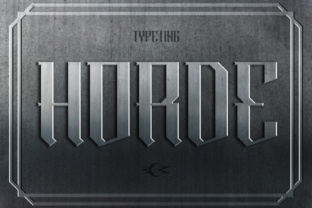
For entrepreneurs and publishers, this means that Odd Times should rarely be used as a body text font for extensive reading material. The dense, vertical strokes can cause eye fatigue when readers scan large blocks of content. Instead, its strength lies in headlines, logos, titles, and short pull quotes. By reserving Odd Times for high-impact areas, you create a visual anchor that draws the viewer’s attention before they engage with the supporting information presented in more neutral typefaces.
Furthermore, the "odd" nature of the name suggests a slight irregularity or uniqueness in its form, which can be leveraged to suggest hand-crafted quality. In a digital landscape where everything feels algorithmically generated, a typeface with human imperfections and historical depth stands out. This is particularly relevant for brands aiming to differentiate themselves through authenticity and artisanal appeal.
Compatibility and Pairing Strategies
One of the most critical steps in the implementation phase is ensuring compatibility. Odd Times has a strong visual personality, which means it can easily overpower other elements if not paired correctly. The general rule for integrating bold, display-type fonts is to balance them with simplicity. A clean, modern sans-serif or a light, open serif works best as a companion font.
- Contrast in Weight: Use a thin or regular weight sans-serif (such as Helvetica Light or Lato) to counterbalance the heavy density of Odd Times. This creates a dynamic tension that keeps the design interesting without becoming chaotic.
- Color Coordination: Because blackletter fonts can appear visually "noisy," limiting the color palette helps maintain clarity. Monochromatic schemes or two-tone palettes often work well, allowing the texture of the font to shine without competing with vibrant colors.
- Whitespace Management: Increase the tracking (letter-spacing) and leading (line-height) when using Odd Times. Giving the letters room to breathe prevents the intricate details from merging into an illegible blob, especially at smaller sizes.
This pairing strategy is essential for maintaining consistency across different platforms. Whether you are designing a website header, a print brochure, or social media graphics, the relationship between Odd Times and its companion font must remain stable. This consistency reinforces brand recognition and ensures that the unique character of the typeface is communicated effectively across all touchpoints.
Practical Implementation in Creative Workflows
Integrating Odd Times into your workflow requires planning at the conceptual stage. Before opening any design software, consider the message you want to convey. If the project involves themes of rebellion, tradition, luxury, or mystery, Odd Times may be an appropriate choice. However, if the goal is to communicate speed, innovation, or approachability, a more contemporary typeface would likely serve the objective better.
Pre-Production Planning
In the preparation phase, establish clear guidelines for usage. Define where Odd Times will appear and where it will not. Create a style guide entry that specifies minimum sizes, maximum lengths, and approved pairings. This documentation serves as a reference point for team members, freelancers, and future editors, ensuring that the font is used consistently and appropriately.
Additionally, test the font across various devices and resolutions. Blackletter fonts can sometimes render poorly on low-resolution screens if the anti-aliasing is not optimized. Check how the fine details of the fractures hold up on mobile views versus desktop displays. Adjustments to stroke width or kerning may be necessary to ensure optimal legibility in digital environments.
Execution and Quality Control
During the execution phase, pay close attention to kerning and spacing. The complex shapes of blackletter characters often require manual adjustment to achieve a balanced look. Automated tracking tools may not account for the specific curves and angles of Odd Times, so manual tweaking is often required. This extra step ensures that the text looks polished and professional rather than haphazard.
Quality control also involves checking for accessibility. Ensure that the contrast ratio between the text and background meets Web Content Accessibility Guidelines (WCAG). Dark gray text on a white background is preferable to pure black on pure white, which can sometimes cause vibration effects for users with visual sensitivities. By prioritizing accessibility, you broaden your audience reach while maintaining the aesthetic integrity of the design.
Long-Term Value and Adaptability
Using Odd Times is not just about solving an immediate design problem; it is about building a lasting visual identity. Fonts have longevity, and choosing a typeface with historical significance can give your brand a timeless quality. Unlike trendy fonts that may feel dated in a few years, blackletter styles have been used for centuries, lending a sense of permanence and trustworthiness to your materials.
However, adaptability is key. As trends shift, the way you apply Odd Times may need to evolve. For instance, you might start with traditional applications in print but move towards digital animations or interactive web elements later. The core principles of contrast, whitespace, and pairing remain constant, but the medium changes. Staying flexible allows you to keep your brand fresh while retaining its distinctive voice.
Moreover, consider the emotional response you want to evoke. Odd Times can feel imposing or exclusive if used incorrectly, but it can also feel inviting and craft-focused if paired with warm imagery and friendly copy. Understanding the psychological impact of typography allows you to align your visual choices with your business goals. Whether you are selling artisanal goods, publishing academic journals, or promoting music events, the right typographic choices reinforce your narrative.
Integration with Broader Brand Assets
Finally, ensure that Odd Times integrates seamlessly with other brand assets. Logos, icons, photography styles, and even packaging materials should complement the tone set by the typeface. If your logo uses Odd Times, your social media templates should echo that same structural rhythm. This holistic approach to design creates a cohesive experience for the consumer, reducing cognitive load and increasing engagement.
By treating Odd Times as a strategic component of your overall design system rather than an isolated decorative element, you maximize its potential. It becomes a reliable tool in your arsenal, capable of elevating simple messages into compelling visual statements. With careful planning, thoughtful pairing, and rigorous quality control, this medieval-inspired typeface can add depth, character, and distinction to your modern workflows.