Unleashing the Dark: Why Ravenholm Slant Is the Ultimate Gothic Typography for Modern Design
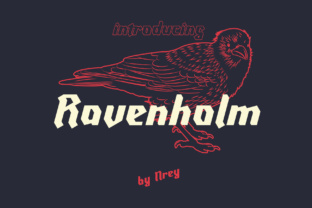
In the vast and often chaotic landscape of digital typography, finding a font that strikes the perfect balance between historical weight and contemporary edge can feel like searching for a needle in a haystack. Most designers are familiar with the standard gothic options—fonts that scream "horror movie poster" or "heavy metal band logo." However, there is a distinct category of typefaces that offers something far more nuanced: fonts that evoke atmosphere without sacrificing readability or aesthetic sophistication. Enter Ravenholm Slant, a stunning blackletter typeface that draws direct inspiration from the eerie, atmospheric world of the Half-Life video game series.
This article explores why Ravenholm Slant has become a favorite among creative professionals, how its unique design language bridges the gap between retro gaming nostalgia and modern graphic design trends, and practical ways you can incorporate this powerful typeface into your own projects.
The Inspiration: From Game Atmosphere to Graphic Design
To truly appreciate Ravenholm Slant, one must first understand its muse. The font is named after Ravenholm, a fictional town featured prominently in the video game Half-Life 2: Episode Two. In the game, Ravenholm is a zombie-infested nightmare, a place where the laws of physics and sanity seem to have broken down. It is dark, gritty, industrial, and undeniably memorable. The visual identity associated with this location is characterized by rusted metal, decayed architecture, and a sense of looming dread.
Ravenholm Slant captures this essence perfectly. Unlike traditional blackletter fonts that might feel overly ornate or difficult to read, Ravenholm Slant takes the structural backbone of Gothic script and distills it into something sharper, more aggressive, and surprisingly fresh. It retains the dramatic flair of medieval calligraphy but strips away the excess, leaving behind a typeface that feels both ancient and futuristic. This duality is what makes it so compelling for modern designers who want to inject their work with character without making it look dated.
Deconstructing the Aesthetic: What Makes Ravenholm Slant Unique?
When we talk about blackletter or Gothic fonts, many people immediately think of heavy, dense blocks of text that are nearly impossible to use in body copy. While some blackletter fonts fall into this trap, Ravenholm Slant is designed with a different philosophy in mind. It is powerful, yes, but it is also refined.
The Power of the Slant
As the name suggests, the defining feature of this typeface is its slanted structure. Traditional blackletter fonts are often upright and rigid, which can sometimes feel static or stiff. By introducing a dynamic slant, Ravenholm Slant creates a sense of forward motion and urgency. This italicized perspective mimics the feeling of running away from danger—a subtle psychological trigger that aligns perfectly with the horror-thriller vibe of its inspiration. For designers, this means that headlines set in Ravenholm Slant naturally draw the eye and command attention more effectively than their upright counterparts.
A Fresh Breath of Gothic Culture
One of the most common misconceptions about Gothic culture in design is that it must be exclusively dark, morbid, or exclusive to niche subcultures. While Ravenholm Slant certainly has a dark soul, it also possesses a surprising elegance. The letterforms are clean enough to pair well with minimalist layouts, allowing the font to act as a striking accent rather than an overwhelming focal point. This versatility allows it to fit seamlessly into various contexts, from album covers and event posters to branding for craft breweries and tech startups looking to project an edgy, innovative image.
Practical Applications in Modern Design
So, how does a font inspired by a zombie apocalypse translate to everyday business and creative needs? The answer lies in strategic application. Ravenholm Slant is not a "one-size-fits-all" solution; it is a specialized tool best used when you need to convey specific emotions such as strength, mystery, heritage, or rebellion.
- Branding and Logos: For businesses in the entertainment, hospitality, or fashion industries, a logo using Ravenholm Slant can instantly communicate a bold personality. Imagine a high-end burger joint or a craft cocktail bar wanting to emphasize their "dark roast" or "late-night" vibe. The font adds an instant layer of narrative depth to the brand identity.
- Event Marketing: Whether it’s a Halloween party, a rock concert, or a sci-fi convention, Ravenholm Slant is an excellent choice for flyers and social media graphics. Its high legibility at large sizes ensures that key information (like dates and times) stands out, while its stylistic flair generates excitement and curiosity.
- Web Design Accents: While you should generally avoid using heavy blackletter fonts for long paragraphs of web copy due to readability concerns, they make fantastic display headings. Using Ravenholm Slant for H1 or H2 tags on a website can create a strong visual hierarchy and break up the monotony of standard sans-serif or serif fonts.
- Packaging Design: In the crowded marketplace of consumer goods, packaging needs to pop off the shelf. A bottle of hot sauce, a box of artisanal chocolate, or a limited-edition sneaker release could all benefit from the distinctive look of Ravenholm Slant. It signals quality and attention to detail, suggesting that the product inside is crafted with care and has a story to tell.
Balancing Retro Nostalgia with Contemporary Trends
There is a growing trend in design known as "retro-futurism," where elements of past decades are combined with modern aesthetics to create something new. Ravenholm Slant fits squarely into this movement. It references the past through its blackletter roots, yet its execution feels contemporary thanks to its clean lines and dynamic slant. This makes it particularly appealing to younger audiences who are drawn to vintage styles but still expect a modern user experience.
For educators and students studying design history, Ravenholm Slant serves as a great case study in adaptation. It demonstrates how historical typefaces can be deconstructed and reimagined to meet the needs of today’s digital-first world. By understanding the principles behind Ravenholm Slant, designers can learn how to respect tradition while innovating for the future.
Common Misunderstandings and Best Practices
While Ravenholm Slant is a versatile and powerful font, it is not without its challenges. One common mistake designers make is overusing it. Because the font is so visually dominant, using it for entire documents or long passages of text can lead to reader fatigue and decreased comprehension. Remember, the goal is to enhance the message, not obscure it.
Another consideration is pairing. Since Ravenholm Slant is quite detailed and aggressive, it pairs best with simple, neutral fonts for supporting text. Clean sans-serifs like Helvetica, Arial, or Open Sans work exceptionally well because they provide a calm backdrop that allows the blackletter to shine. Avoid pairing it with other decorative or complex fonts, as this can create visual clutter and confusion.
Conclusion: Adding Depth to Your Visual Vocabulary
In conclusion, Ravenholm Slant is more than just a novelty font inspired by a video game; it is a sophisticated typographic tool that brings depth, character, and history to modern design projects. Its ability to blend the raw power of Gothic culture with a fresh, contemporary edge makes it an invaluable asset for any designer’s toolkit.
Whether you are creating a brand identity for a startup, designing a poster for a local event, or simply experimenting with web layouts, Ravenholm Slant offers a unique opportunity to stand out. By understanding its origins, appreciating its nuances, and applying it strategically, you can harness the dark, powerful energy of Ravenholm to create designs that are not only visually striking but also emotionally resonant. So, the next time you find yourself staring at a blank canvas, consider giving Ravenholm Slant a try. You might just find that the perfect font for your project was lurking in the shadows all along.