Millennium Font Evaluation: Gothic Design for Modern Projects
Selecting the right typeface is a critical decision in graphic design, branding, and digital content creation. The choice of font influences readability, brand personality, and user experience. Among the many options available, Millennium has garnered attention for its distinct gothic-inspired aesthetic. This evaluation explores what Millennium is, who it serves best, and how it compares to alternatives in various design contexts.
What Is Millennium?
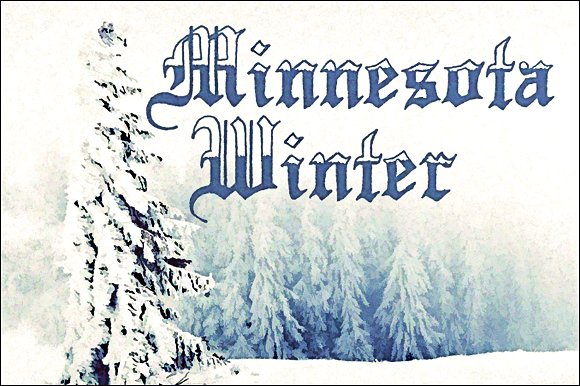
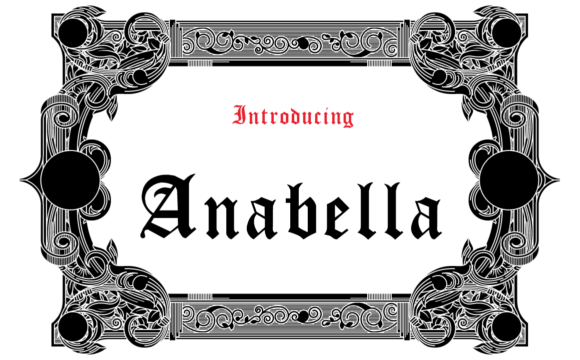
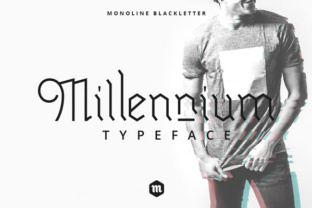
Millennium is a typeface family characterized by its strong vertical stems, high contrast between thick and thin strokes, and sharp serifs. It belongs to the broader category of blackletter or gothic fonts, which draw inspiration from medieval European calligraphy and early printing presses. However, Millennium modernizes these historical elements to ensure legibility in contemporary applications.
The font’s name suggests a bridge between past and future, reflecting its design philosophy. While rooted in traditional gothic forms, Millennium often features cleaner lines and more open counters than historical blackletter types like Fraktur or Textura. This balance allows it to function effectively in both display settings and body text, depending on the specific weight and style within the family.
Why Designers Consider Millennium
Designers may choose Millennium for several strategic reasons. First, it offers a unique visual identity that stands out in crowded markets. In an era where minimalist sans-serif fonts dominate web and app interfaces, a gothic-inspired typeface can provide immediate differentiation.
Brand Differentiation
Brands seeking to convey heritage, authority, or mystery often turn to gothic fonts. Millennium provides this gravitas without appearing archaic. For example, a craft brewery, a heavy metal band, or a luxury fashion label might use Millennium to evoke tradition while maintaining modern relevance.
Aesthetic Versatility
Unlike some historical fonts that are difficult to pair with other typefaces, Millennium often includes complementary sans-serif or serif styles in its family. This versatility allows designers to create cohesive typographic hierarchies. A bold Millennium headline paired with a clean sans-serif body text can create striking contrast and visual interest.
Cultural Resonance
Gothic fonts carry cultural associations with strength, resilience, and timelessness. Using Millennium can tap into these subconscious associations, helping brands communicate values such as durability, craftsmanship, or exclusivity.
Benefits of Using Millennium
- High Impact: Millennium’s strong letterforms command attention, making it ideal for headlines, logos, and posters.
- Legibility Improvements: Modern interpretations of gothic fonts like Millennium are designed to be more readable than their historical counterparts, reducing eye strain for users.
- Niche Appeal: For projects targeting audiences interested in history, art, or subcultures associated with gothic aesthetics, Millennium resonates deeply.
- Scalability: Many Millennium variants scale well across different media, from large billboards to small mobile screens, provided appropriate weights are selected.
Tradeoffs and Considerations
While Millennium offers distinct advantages, it also presents challenges that designers must carefully evaluate.
Readability Limits
Despite improvements over historical blackletters, Millennium remains less legible than standard sans-serif or slab-serif fonts in long-form text. Using it for paragraphs of body copy can hinder comprehension and slow down reading speed. It is best reserved for short texts, headings, or decorative elements.
Pairing Challenges
Finding compatible typefaces for Millennium requires skill. Its strong personality can overwhelm simpler fonts if not balanced correctly. Poor pairing choices can result in a cluttered or inconsistent design. Designers should test multiple combinations to ensure harmony.
Licensing Costs
Specialty fonts like Millennium often come with higher licensing fees compared to free or open-source alternatives. Businesses must consider budget constraints when selecting paid typefaces, especially for projects with limited resources.
Cultural Sensitivity
Gothic fonts have complex historical connotations, including associations with exclusionary ideologies in certain contexts. Designers must be mindful of these implications and ensure that the use of Millennium aligns with the brand’s values and target audience expectations.
Situations Where Millennium Excels
Millennium is particularly well-suited for specific scenarios:
- Logo Design: Its distinctive shapes make it an excellent choice for creating memorable and iconic logos.
- Event Posters: Concerts, festivals, or exhibitions with themes related to history, fantasy, or music benefit from Millennium’s dramatic flair.
- Packaging: Products aiming for a premium or artisanal look, such as wine bottles, perfume boxes, or specialty food items, can leverage Millennium to enhance shelf appeal.
- Editorial Headers: Magazines and newspapers may use Millennium for section headers or pull quotes to add visual variety and emphasis.
When to Consider Alternatives
There are situations where other fonts may be more appropriate than Millennium:
- User Interface (UI) Design: For apps and websites requiring high readability and accessibility, sans-serif fonts like Helvetica, Roboto, or Inter are generally better choices.
- Corporate Identity: Companies seeking to project neutrality, efficiency, or innovation may prefer modern sans-serifs or geometric fonts over gothic styles.
- Long-Form Content: Books, articles, and reports benefit from highly legible serif or sans-serif fonts that support extended reading sessions.
- Budget Constraints: If cost is a primary concern, free alternatives like UnifrakturMaguntia or P22 Fraktur can provide similar aesthetics at no charge.
Practical Decision-Making Insights
To determine whether Millennium aligns with your project goals, consider the following questions:
- What is the primary message? Does the brand need to convey tradition, strength, or mystery? If so, Millennium may be a strong fit.
- Who is the audience? Will the target demographic appreciate gothic aesthetics, or will they find them intimidating or outdated?
- Where will the font be used? Is it for short displays or long reading? Ensure the font’s strengths match the medium.
- What is the budget? Can you afford the licensing fees, or do you need a more economical option?
Testing Millennium in mockups alongside potential competitors and alternatives is essential. Evaluate how it performs in different sizes, colors, and backgrounds. Seek feedback from stakeholders and users to gauge reactions before finalizing the choice.
Conclusion
Millennium is a powerful tool for designers seeking to infuse projects with gothic-inspired elegance and historical resonance. Its ability to balance traditional aesthetics with modern legibility makes it a versatile choice for branding, editorial, and display purposes. However, its limitations in readability and pairing require careful consideration. By evaluating project needs, audience preferences, and practical constraints, designers can make informed decisions about whether Millennium is the right typeface for their specific goals. When used thoughtfully, Millennium can elevate designs, creating lasting impressions that resonate with viewers.