Adelheid: Reviving the Gothic Soul in Modern Typography
There is a specific kind of magic that happens when you look at a page set in blackletter type. It feels heavy, historical, and undeniably authoritative. But it also feels distant, like a language you can almost read but don’t quite understand. For decades, this script was relegated to novelty items, beer labels, and old-fashioned diplomas. However, the digital age has sparked a renaissance for these ornate forms, and at the forefront of this revival is Adelheid.
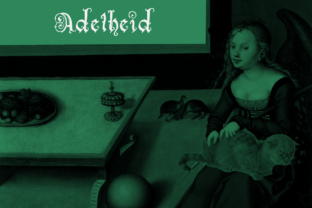
Adelheid is not just another font download; it is a wonderfully whimsical excursion into the realm of blackletter typefaces, rooted deeply in history yet crafted for contemporary eyes. Based on a 16th-century Swiss publication, this typeface bridges the gap between the rigid, calligraphic traditions of the past and the fluid demands of modern design. Whether you are a branding expert looking to add character to a heritage label or a web designer seeking a unique display font, understanding what makes Adelheid special requires looking beyond its jagged edges.
The Historical Weight of Blackletter
To appreciate Adelheid, one must first understand the soil from which it grew. Blackletter, often referred to as Gothic script, dominated Western European book production from the mid-13th century until the 17th century. It was the standard for everything from religious texts to legal documents. The style is characterized by its dense, vertical rhythm, sharp angles, and intricate ornamentation. It was designed to be read by monks and scholars who had hours to spend deciphering the text, not by commuters scrolling through news feeds.
The specific inspiration for Adelheid comes from a 16th-century Swiss publication. This era marked a transition period where the strict, monastic scripts of earlier centuries were beginning to soften, influenced by humanist ideals and the printing press’s spread across Europe. Swiss typography of this time was known for its clarity and precision, even within complex scripts. By basing Adelheid on this specific regional variant, the designers have captured a unique flavor—one that is less severe than German Fraktur but more textured than Italian Humanist minuscule.
This historical context matters because it informs the font’s personality. Adelheid carries the weight of history without being burdened by it. It feels authentic, not artificial. When you use it, you aren’t just using a decorative font; you are invoking a sense of tradition, craftsmanship, and European heritage.
Why Adelheid Stands Out in a Crowded Market
The market for blackletter fonts is saturated. A quick search yields thousands of options, many of which suffer from poor legibility, inconsistent stroke weights, or awkward kerning. These fonts often feel "cheap" because they prioritize novelty over usability. Adelheid differentiates itself through meticulous attention to detail and a focus on modern functionality.
Balancing Whimsy and Readability
The term "whimsical" might suggest something lighthearted or playful, and indeed, Adelheid has a certain charm. However, it does not sacrifice readability for aesthetics. The x-heights are generous, and the counters (the enclosed spaces within letters like 'e' or 'a') are open enough to prevent the text from turning into an illegible blob when scaled down. This balance is crucial. Many blackletter fonts fail because they are too dense; Adelheid breathes.
This makes it versatile. You can use it for large-scale headlines where its intricate details can shine, but you can also use it for shorter body copy in editorial layouts without causing eye strain. It respects the reader’s time while still delivering visual impact.
Versatility Across Mediums
In the past, blackletter was primarily a print medium. The ink would soak into the paper, creating a rich, tactile experience that screens couldn't replicate. Today, we need fonts that work equally well on high-resolution Retina displays and low-res mobile screens. Adelheid is engineered with this duality in mind. Its vector paths are clean and precise, ensuring that curves remain smooth and corners remain sharp regardless of the output device.
Consider a scenario where a boutique brewery wants to rebrand. They want to evoke the feeling of a traditional ale house but appeal to a younger, craft-beer-savvy audience. Using a generic gothic font might make them look like a tourist trap. Using Adelheid, however, signals sophistication and historical awareness. The font’s Swiss roots lend it a crispness that aligns with modern minimalist trends, allowing the brand to feel both classic and current.
Practical Applications in Modern Design
So, where does Adelheid fit in your workflow? While it is a display font—meaning it is best used for titles, logos, and short phrases rather than long paragraphs—its applications are broader than you might think.
- Branding and Identity: For businesses in the hospitality, artisanal food, or heritage goods sectors, Adelheid provides an instant association with quality and tradition. It works exceptionally well for logos, packaging, and business cards.
- Editorial Design: Magazines and newspapers often use blackletter for pull quotes, section headers, or sidebars. Adelheid’s whimsical nature allows it to add a touch of personality to otherwise serious content, breaking up the monotony of sans-serif body text.
- Digital Marketing: In social media graphics and email campaigns, Adelheid can serve as a powerful hook. Its distinct shape grabs attention in a feed cluttered with uniform sans-serif and serif fonts. Use it sparingly for key messages to maximize impact.
- Event Posters and Invitations: For concerts, festivals, or formal events with a vintage theme, Adelheid offers a ready-made aesthetic. It eliminates the need for extensive graphic design elements, letting the typography do the heavy lifting.
Considerations Before Adopting Adelheid
While Adelheid is a robust and beautiful typeface, it is not a one-size-fits-all solution. Like any tool, it requires thoughtful application to avoid common pitfalls.
Pairing Strategies
The biggest mistake designers make with blackletter is pairing it with other decorative fonts. Adelheid should always be paired with simple, neutral typefaces. A clean sans-serif like Helvetica or a classic serif like Garamond creates the perfect contrast. The simplicity of the partner font allows Adelheid to stand out without competing for attention. Avoid pairing it with other gothic scripts, as this will create visual chaos and reduce legibility.
Color and Background
Blackletter is visually dense. To ensure it remains readable, consider the color palette carefully. High-contrast combinations work best. White text on a dark background, or black text on a light cream or off-white paper, tends to yield the best results. Muted or pastel backgrounds can sometimes wash out the intricate details of the letterforms, making the text appear muddy. If you are using Adelheid on a busy photographic background, ensure there is sufficient contrast or use a subtle overlay to separate the text from the image.
Legal and Licensing Clarity
Before integrating Adelheid into any commercial project, always verify the licensing terms. Some fonts offer free personal use but require a commercial license for business applications. Understanding these distinctions protects your project from legal issues and ensures that the designers who created this beautiful typeface are compensated for their work. Adelheid’s basis in public domain historical sources does not automatically mean the digital font file itself is free for all uses; the digitization process involves significant labor and expertise.
The Future of Historical Typefaces
We are living in an era where nostalgia and innovation coexist. Consumers are increasingly drawn to brands and designs that tell a story, and historical typefaces like Adelheid offer a tangible connection to the past. They provide a sense of continuity in a rapidly changing digital landscape.
Adelheid represents more than just a font; it is a testament to the enduring power of good design. By taking a 16th-century Swiss model and refining it for the 21st century, it proves that history is not static. It is a resource that can be mined, refined, and repurposed to meet new needs. As designers continue to seek ways to differentiate their work in a saturated market, typefaces with such rich character and clear lineage will become even more valuable tools.
Whether you are designing a logo for a local bakery, a poster for a jazz festival, or a website for a law firm, Adelheid offers a unique opportunity to inject soul and substance into your projects. It reminds us that typography is not just about conveying information; it is about setting a tone, evoking an emotion, and connecting with the viewer on a deeper level. In the world of blackletter, Adelheid stands tall, whimsical yet grounded, ready to bring a touch of historical elegance to your next creative endeavor.