Memento Mori: A Gothic Typeface for Bold Design
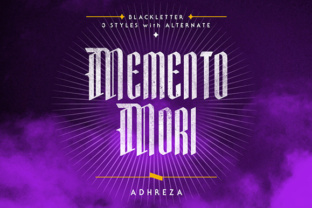
In the landscape of digital typography, where clean sans-serifs and geometric grotesques often dominate the screen real estate, there remains a powerful niche for typefaces that command attention through sheer attitude. Memento Mori is one such font. It is not merely a collection of glyphs; it is a statement piece designed for display purposes or as a striking medium-weight body text with a distinct Gothic theme. What makes this typeface particularly compelling is its unique lineage and visual architecture.
Unlike traditional blackletter fonts that can feel archaic or difficult to read on modern interfaces, Memento Mori strikes a careful balance. It draws inspiration from the heavy metal band Black Sabbath and the legendary wrestling icon known as The Undertaker, or "The Phenom." This cultural fusion results in a condensed, modern look that retains the historical weight of Gothic script while shedding the clutter that often hinders contemporary usability. For designers, marketers, and creators looking to inject a sense of gravity, mystery, or raw energy into their projects, understanding how to leverage Memento Mori effectively is a valuable skill.
The Anatomy of a Modern Gothic
To use Memento Mori well, you must first understand what it is. The term itself, Latin for "remember you must die," carries inherent dramatic weight. However, the font’s aesthetic is rooted in the visual language of 1970s heavy metal album covers and the theatricality of professional wrestling entrances. The result is a typeface that feels both historic and aggressively modern.
The key feature here is the condensed feel. Traditional blackletter fonts like Fraktur or Textura are wide and dense, requiring significant horizontal space. Memento Mori tightens these proportions. This condensation allows for tighter line heights and more compact layouts, which is crucial for web design and mobile-first applications. By combining the sharp, angular aesthetics of Gothic calligraphy with a streamlined structure, the font achieves a legibility that older styles lack.
This design choice serves a practical purpose. In an era where screen space is at a premium, a condensed Gothic typeface allows headlines to make a massive impact without breaking layout grids. It offers the "heavy metal" vibe—loud, bold, and unapologetic—without sacrificing the structural integrity needed for professional presentation. For the creator, this means you get the aesthetic punch of a custom display font with the functional reliability of a modern sans-serif.
Creative Applications and Use Cases
Knowing the history and mechanics of the font is only half the battle. The true value lies in application. Memento Mori is best suited for contexts where atmosphere is just as important as information. Here are several practical ways to integrate this typeface into your workflow.
- Event Branding and Posters: For concerts, horror-themed events, or alternative art exhibitions, Memento Mori provides instant thematic resonance. Its association with rock culture and theatrical personas makes it ideal for flyers, ticket stubs, and stage backdrops. Use it in large sizes to create a focal point that draws the eye immediately.
- Music and Entertainment Media: Podcast cover art, music blogs, and streaming service thumbnails benefit from the font’s aggressive edge. It signals to the audience that the content is intense, serious, or edgy. When paired with dark color palettes and high-contrast imagery, the typography becomes part of the narrative.
- Gaming and Esports: The gaming industry thrives on identity and lore. Memento Mori fits seamlessly into fantasy RPG interfaces, horror game menus, or esports team logos. Its condensed nature works well within UI constraints, allowing for clear readability in HUD elements while maintaining a stylistic theme.
- Fashion and Streetwear: Brands aiming for a grunge, punk, or gothic aesthetic can use this font for lookbooks, social media graphics, and merchandise tags. The font’s connection to subcultures gives it authentic street cred when applied to apparel designs or promotional campaigns.
Strategic Implementation for Different Audiences
Different professionals will approach Memento Mori with different goals. A freelancer designing a brand identity needs to ensure consistency, while a blogger might be looking for a way to break up text monotony. Here is how various users can adapt the font for specific outcomes.
For Designers and Art Directors
Your primary concern is hierarchy and contrast. Because Memento Mori is a display font, it should rarely be used for long-form body copy. Instead, use it for headlines, pull quotes, or section dividers. To maintain a modern look, pair it with a clean, neutral sans-serif like Helvetica or Roboto for supporting text. This juxtaposition highlights the ornate nature of Memento Mori while ensuring the rest of the content remains accessible. Avoid overusing it; let it be the star of the show, not the background noise.
For Marketers and Content Creators
In marketing, emotion drives action. Memento Mori evokes feelings of seriousness, legacy, and intensity. Use it when you want to communicate authority or exclusivity. For example, a limited-edition product launch or a "final call" sale notification gains urgency when styled in this typeface. However, be mindful of accessibility. Ensure sufficient color contrast between the text and background. If using white text on a black background, consider adding a subtle drop shadow or outline to prevent the intricate details of the letters from blurring together on smaller screens.
For Educators and Hobbyists
You don’t need a corporate budget to use great design. If you are creating educational materials on history, mythology, or music theory, Memento Mori can serve as an engaging visual aid. Imagine a slide deck about the history of heavy metal or a workshop on medieval calligraphy. Using the font sparingly for titles can make your presentations more memorable. It adds a layer of professionalism and thematic depth that standard fonts cannot achieve.
Best Practices for Clarity and Consistency
Using a stylized font requires discipline. Without guidelines, even the most beautiful typeface can become illegible or annoying. Follow these recommendations to keep your designs effective.
- Limit Usage: Treat Memento Mori like a spice. A little goes a long way. Overuse leads to visual fatigue. Reserve it for headlines, logos, and short phrases.
- Watch the Kerning: Condensed fonts often have tight letter spacing. Always check the kerning manually, especially in large display sizes. Tight spaces can cause characters to merge, reducing readability.
- Context Matters: Ensure the tone of your project matches the font’s personality. Memento Mori is not suitable for lighthearted, playful, or corporate-friendly communications where trust and warmth are prioritized over edge and intensity.
- Test Across Devices: Before finalizing any design, view it on multiple devices. The condensed style may render differently on mobile screens versus desktop monitors. Adjust sizing and weight as needed to maintain legibility.
Ultimately, Memento Mori is a tool for expression. It bridges the gap between historical reverence and modern utility, offering a unique voice in a crowded typographic market. By understanding its roots in Gothic tradition and its modern adaptations inspired by rock and roll culture, you can deploy it with confidence. Whether you are crafting a brand identity, designing a poster, or simply adding flair to a personal blog, this font provides the gravitas and style needed to stand out. Use it wisely, respect its character, and let it elevate your creative work.