The Shadowed Elegance of Karson: A Blackletter Font for Modern Streetwear and Vintage Design
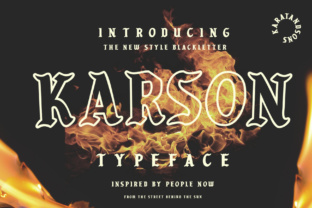
In the ever-evolving landscape of graphic design, typography serves as the silent narrator of a brand’s story. Among the vast array of typefaces available to designers, blackletter fonts hold a unique position. They evoke history, authority, and a certain rebellious edge that modern aesthetics often crave. Enter Karson, a stunning blackletter font that draws its inspiration from the people in the shadows of society. This distinctive typeface is not merely a relic of the past but a versatile tool designed for contemporary creators who wish to blend historical grit with modern style.
For professionals, hobbyists, and business owners alike, understanding the nuances of a font like Karson goes beyond simple aesthetic appreciation. It involves recognizing how specific typographic choices can influence perception, convey mood, and enhance the visual hierarchy of a project. Whether you are designing apparel, creating digital content, or crafting vintage-inspired marketing materials, Karson offers a compelling solution that bridges the gap between the underground and the mainstream.
Origins and Inspiration: The Aesthetic of the Shadows
To truly appreciate the utility of Karson, one must first understand its conceptual foundation. Unlike traditional Fraktur or Old English typefaces that often dominate headlines with aggressive weight and complex flourishes, Karson is inspired by the "people in the shadows of society." This inspiration lends the font a character that is both mysterious and grounded. It suggests a narrative of resilience, anonymity, and raw authenticity.
This thematic underpinning makes Karson particularly effective in contexts where storytelling is paramount. When a designer selects this font, they are not just choosing letters; they are invoking an atmosphere. The strokes of Karson carry a sense of movement and texture that mimics the roughness of urban environments and the subtle intricacies of subcultures. For educators and researchers studying the intersection of typography and social culture, Karson serves as an excellent case study in how type can reflect societal layers.
The font’s design philosophy rejects the overly polished look of corporate sans-serifs in favor of something more tactile and human. It acknowledges the beauty found in imperfection and the strength derived from obscurity. This makes it a powerful asset for brands that want to appear authentic rather than manufactured.
Technical Versatility Across Multiple Styles
One of the most significant advantages of Karson is its availability in multiple styles. In the world of professional design, versatility is key. A single-weight font might work well for a logo but fail miserably when applied to body text or large-scale banners. Karson addresses this limitation by offering a comprehensive family that allows for dynamic composition.
- Display Variations: These styles are optimized for headlines and logos. They feature exaggerated contrast and sharp serifs that demand attention. When used in streetwear branding, these weights create an immediate visual impact, ensuring that the brand name stands out against busy backgrounds or textured fabrics.
- Text and Accent Weights: While blackletter is rarely used for long-form reading, lighter or condensed versions within the Karson family can be employed effectively for pull quotes, captions, or decorative elements. This allows designers to maintain thematic consistency without sacrificing readability.
- Handwritten Elements: Some styles within the Karson suite may incorporate hand-drawn qualities, adding a personal touch that feels less industrial and more artisanal. This is particularly relevant for vintage project styles, where the goal is to replicate the feel of letterpress printing or hand-painted signage from previous decades.
This range ensures that users from various disciplines—whether they are web developers, print designers, or fashion illustrators—can find the right tool for their specific needs. The ability to mix and match styles within the same family creates harmony in a design layout, preventing the visual chaos that often accompanies the use of ornate typefaces.
Primary Use Cases: Streetwear and Vintage Aesthetics
While Karson is technically capable of serving many purposes, its true strength lies in two distinct niches: streetwear and vintage project styles. These areas share a common desire for authenticity, rebellion, and a connection to heritage.
Streetwear Branding
The streetwear industry has long been associated with bold graphics, high-contrast colors, and typography that screams individuality. Brands in this sector often look to graffiti, skate culture, and underground music scenes for inspiration. Karson fits seamlessly into this ecosystem. Its shadowy origins resonate with the themes of non-conformity that define much of street culture.
When applied to t-shirts, hoodies, or sneakers, Karson adds a layer of sophistication to what could otherwise be a generic design. It elevates the garment from mere clothing to a statement piece. Designers can use the heavier weights for central chest prints, while utilizing lighter accents on sleeve cuffs or back collars to create a cohesive look. The font’s ruggedness pairs exceptionally well with distressed textures, neon accents, and minimalist layouts, allowing the type to remain the focal point.
Vintage Project Styles
Similarly, in the realm of vintage design, Karson acts as a bridge between the old world and the new. Vintage aesthetics often rely on nostalgia, evoking memories of mid-century advertisements, classic rock albums, or retro posters. However, modern consumers are wary of designs that look too dated or cliché. Karson offers a fresh take on the vintage look.
By using Karson, designers can achieve a "modern vintage" feel. The font retains the historical charm of blackletter but is refined enough to fit comfortably in a contemporary portfolio. It works beautifully for event invitations, concert posters, and craft beer labels. In these applications, the font’s intricate details catch the eye, inviting the viewer to look closer. For business owners in the hospitality or entertainment industries, this engagement is crucial for driving interest and sales.
Practical Considerations for Implementation
Despite its strengths, using Karson requires a thoughtful approach. Blackletter fonts are inherently dense and complex, which poses challenges for legibility if not handled correctly. Professionals must adhere to certain best practices to ensure that their designs remain effective and accessible.
Spacing and Kerning
The most critical aspect of working with Karson is spacing. Due to the interlocking nature of blackletter forms, characters can easily merge into an illegible blob if kerning is ignored. Designers must pay close attention to the negative space between letters. Increasing tracking (the overall spacing of a line of text) is often necessary to let the font breathe. This is especially important when using the font at smaller sizes or on digital screens where pixel density can blur fine details.
Contrast and Backgrounds
Karson performs best when there is high contrast between the text and its background. Placing white Karson text on a black background, or vice versa, maximizes readability and emphasizes the font’s sharp edges. Avoid placing the font over busy images or patterns unless the underlying image is significantly desaturated or blurred. The complexity of the font itself provides enough visual noise that additional clutter will overwhelm the viewer.
Pairing with Other Typefaces
A common mistake is attempting to pair Karson with other decorative or serif fonts. This often results in a chaotic and unprofessional appearance. Instead, pair Karson with clean, neutral typefaces such as geometric sans-serifs or simple humanist fonts. This juxtaposition highlights the ornate nature of Karson while providing a stable foundation for informational text. For example, using a clean sans-serif for product descriptions alongside Karson for the product title creates a balanced hierarchy that guides the user’s eye effectively.
The Broader Impact on Creative Workflows
For creators and educators, incorporating Karson into projects can also serve an educational purpose. It introduces students and junior designers to the principles of typographic contrast and historical context. By experimenting with Karson, users learn how to manipulate scale, weight, and color to create mood. It encourages them to think beyond the standard library of Arial and Helvetica and explore the emotional resonance of type.
Furthermore, in an era where digital fatigue is real, the tactile quality of Karson offers a refreshing change. It reminds users of the physicality of ink and paper. This sensory connection can enhance the user experience in digital media, making websites and apps feel more curated and intentional. Business owners who invest in high-quality, distinctive typography like Karson signal to their customers that they care about detail and quality. This perception translates into trust and loyalty.
Conclusion
Karson is more than just a font; it is a design element that carries weight, history, and attitude. Inspired by the shadows of society, it brings a unique perspective to projects that require depth and character. Its multiple styles provide the flexibility needed for a wide range of applications, from bold streetwear graphics to nuanced vintage designs. By understanding its characteristics and respecting its technical requirements, designers can harness the power of Karson to create work that is not only visually striking but also emotionally resonant. In a crowded marketplace, having a tool that stands out is invaluable, and Karson delivers exactly that—a stunning, versatile, and meaningful addition to any creative toolkit.