Horde: The Blackletter Font That Bridges Medieval Grit and Modern Design
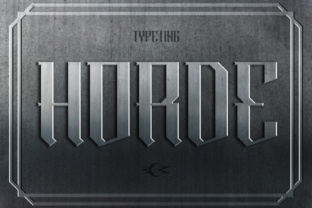
When you think of blackletter typefaces, your mind likely jumps to ancient manuscripts, heavy metal album covers, or perhaps the gothic aesthetic of a Halloween party. These fonts carry a weight—literally and figuratively. They are bold, dense, and undeniably striking. However, for modern designers working in 2024, there is often a fine line between "authentic historical recreation" and "dated cliché." This is where Horde enters the conversation. It is not just another blackletter display font; it is a carefully calibrated tool that brings a modern, strong, and elegant touch to traditional letterforms.
If you are looking to elevate your visual identity without getting bogged down by the legibility issues that plague older Gothic scripts, Horde offers a fresh perspective. It retains the character and drama of its ancestors but strips away the unnecessary complexity, making it surprisingly versatile for contemporary applications. Let’s explore how this typeface can transform your projects across various industries.
Beyond the Band Tee: Where Horde Fits in Modern Branding
The most immediate association with blackletter is the music industry, particularly rock, metal, and punk genres. While Horde certainly fits here, limiting it to band logos would be a disservice to its design potential. The font’s clean lines and balanced proportions allow it to function in contexts far removed from distorted guitars and dark stages. It possesses an elegance that appeals to luxury brands, artisanal producers, and lifestyle companies seeking a sense of heritage without sacrificing readability.
Consider the craft beverage industry. Breweries, distilleries, and cideries are constantly competing for shelf space and consumer attention. A label needs to communicate quality, tradition, and boldness simultaneously. Horde provides that "heritage" feel through its blackletter structure, but its modern execution ensures the text remains clear and appetizing rather than obscure or intimidating. It signals that the product has roots, but also that it respects the modern consumer’s desire for clarity.
Similarly, in the realm of fashion and streetwear, typography is often the primary graphic element. Brands aiming for a "high-low" mix—combining high-end sophistication with urban edge—find Horde invaluable. It adds texture and visual interest to packaging, hang tags, and promotional posters. Unlike more ornate blackletters that can look cluttered at small sizes, Horde maintains its integrity, ensuring that your brand name stands out whether it’s printed on a tiny garment tag or a massive billboard.
Creative Industries and Event Design
For event planners and creative directors, first impressions are everything. Whether you are designing a poster for a music festival, a gala dinner, or a corporate retreat with a unique theme, the choice of typography sets the tone before a single word is read. Horde’s strong presence commands attention. It is assertive without being aggressive, which makes it suitable for a wider range of events than typical Gothic fonts.
- Festivals and Concerts: For events that lean into alternative culture, Horde delivers the necessary grit. Its sharp angles and solid forms evoke energy and rebellion, perfect for flyers and social media graphics targeting a younger, edgier demographic.
- Luxury Weddings and Galas: Surprisingly, Horde can work in high-end wedding stationery if used sparingly. When paired with minimalist layouts and ample white space, a Horde headline can add a touch of dramatic romance and timelessness. Think of it as the typographic equivalent of velvet—a rich, textured fabric that feels expensive.
- Restaurant Menus and Signage: In the hospitality sector, atmosphere is key. A restaurant with a speakeasy vibe, a medieval-themed tavern, or a modern bistro with rustic influences can use Horde for menu headers or exterior signage. It creates an immersive experience that draws customers in, promising a meal that is both substantial and refined.
Practical Considerations for Implementation
While Horde is a powerful asset, like any display font, it requires thoughtful application to shine. One of the most common mistakes designers make with blackletter is overuse. Because these fonts are visually dense, they compete for attention. Using Horde for body text is generally a poor choice; it will fatigue the reader and reduce accessibility. Instead, reserve it for headlines, titles, logos, and short impactful phrases.
Pairing is crucial. Since Horde is a strong, standalone statement, it pairs best with simple, neutral sans-serif or serif fonts for supporting text. A clean geometric sans-serif can provide a modern contrast that highlights Horde’s historical roots, while a classic serif can enhance its elegant, editorial feel. The goal is to create a balance where Horde acts as the anchor, and the secondary type guides the eye through the information.
Another consideration is scale. Blackletter fonts often lose their detail when scaled down too small. Ensure that your final output allows Horde to breathe. If you are designing for digital screens, check how the font renders at different resolutions. On smaller mobile devices, you may need to increase the size of Horde significantly to maintain its impact and legibility. Conversely, on large-format prints, you can experiment with tracking (letter-spacing) to create a more luxurious, airy feel, though this should be done cautiously to avoid breaking the visual rhythm of the letters.
Why Choose Horde Over Other Blackletters?
The market is saturated with blackletter options, so why Horde? The answer lies in its adaptability. Many traditional blackletters are rigid and difficult to customize. They often come with limited weights or lack the nuanced details needed for high-resolution printing. Horde, however, is designed with the modern designer’s workflow in mind. It offers a level of polish that reduces the need for extensive post-production adjustments.
Furthermore, Horde strikes a delicate balance between strength and elegance. Some blackletters lean too heavily into aggression, feeling harsh or unapproachable. Others become so ornate that they appear fussy or old-fashioned. Horde navigates this middle ground effectively. It is strong enough to convey authority and stability, yet elegant enough to suggest sophistication and taste. This duality makes it a safe yet exciting choice for brands that want to stand out without alienating their audience.
In conclusion, Horde is more than just a font; it is a stylistic bridge. It connects the past with the present, offering designers a way to inject character and depth into their work without compromising on modern standards of clarity and usability. Whether you are branding a new startup, designing a concert poster, or crafting luxury packaging, Horde provides the visual punch needed to make your message resonate. By understanding its strengths and applying it with restraint and intention, you can unlock a new level of sophistication in your design repertoire.