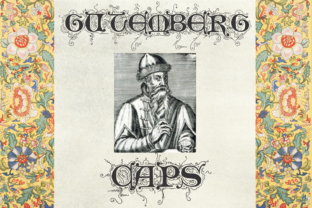
Gutemberg Psalter Gotisch Duo
If you have ever tried to recreate the look of a 15th-century manuscript or wanted to add a touch of historical gravitas to your modern designs, you know that finding the right typeface can be tricky. Many fonts claim to be "medieval," but they often feel stiff, illegible, or overly decorative in ways that distract from the content. Gutemberg Psalter Gotisch Duo solves this problem by offering a sophisticated pairing that balances authentic aesthetic appeal with functional readability.
This font combination is not just about nostalgia; it is about creating a specific atmosphere. It bridges the gap between the ornate world of illuminated manuscripts and the practical needs of contemporary graphic design, branding, and digital publishing. Whether you are designing a wedding invitation, a menu for a gastropub, or a chapter heading for a fantasy novel, understanding how these two distinct styles work together is key to achieving a professional result.
The Anatomy of the Duo: Lombardic Meets Blackletter
To truly appreciate the value of Gutemberg Psalter Gotisch Duo, it is helpful to understand the individual components that make up the pair. The name itself provides a clue to its heritage, referencing the Gutenberg era and the Gothic script traditions of Northern Europe.
The first element, often referred to as The Gutemberg, is described as a decorative lombardic font. Lombardic scripts were originally developed in Italy during the Middle Ages and are characterized by their upright structure, sharp serifs, and rhythmic verticality. Unlike the dense, heavy blackletter styles common in Germany, Lombardic tends to feel more open and elegant. In this duo, The Gutemberg serves as the display type. It is designed to catch the eye, providing headers, titles, and initial caps that scream authority and tradition without being overwhelming.
The second element, Psalter Gotisch, is a classic blackletter type. Blackletter, also known as Gothic script, is the quintessential medieval style associated with the printing press and religious texts. Psalter Gotisch retains the intricate details of hand-lettered calligraphy but is optimized for legibility. It is denser than The Gutemberg, providing a rich texture that works beautifully for body text or subheadings where depth is required. By combining the airy elegance of Lombardic with the structured weight of Blackletter, this duo creates a visual hierarchy that feels natural and historically grounded.
Why Choose This Combination?
Designers often struggle with the "one-size-fits-all" approach to thematic fonts. Using a single heavy blackletter font for everything can make a document look cluttered and hard to read. Conversely, using only decorative initials can leave the main text looking plain and disconnected. Gutemberg Psalter Gotisch Duo offers a cohesive solution to this challenge.
- Visual Harmony: Because both fonts share a historical lineage and similar stroke weights, they complement each other seamlessly. You do not need to worry about clashing styles when mixing headers and body text.
- Authenticity: For projects requiring historical accuracy, such as reenactment materials, educational resources on medieval history, or themed entertainment, this duo provides a level of detail that generic "old-style" fonts lack.
- Versatility: The pairing allows for dynamic layouts. You can use The Gutemberg for striking cover art or large headings, while relying on Psalter Gotisch for readable paragraphs, ensuring that your audience can actually engage with the content.
Practical Applications Across Industries
The appeal of Gutemberg Psalter Gotisch Duo extends far beyond hobbyist calligraphy. Its ability to evoke tradition and craftsmanship makes it a powerful tool in various professional contexts.
Branding and Identity
Small businesses that want to emphasize heritage, quality, or artisanal values often turn to serif and blackletter combinations. A craft brewery, an independent bookstore, or a boutique hotel might use The Gutemberg for its logo to convey prestige, while using Psalter Gotisch for packaging details or interior signage. This combination signals to the customer that the brand respects tradition and pays attention to detail.
Events and Celebrations
Weddings, particularly those with a vintage, gothic, or literary theme, benefit greatly from this typography. The elegance of the Lombardic style adds a romantic flair to invitations, while the sturdy blackletter grounds the design. It works exceptionally well for save-the-dates, menus, and place cards, creating an immersive experience for guests.
Digital Content and Publishing
Blogs, newsletters, and online magazines focused on history, literature, or culture can use this duo to enhance their visual identity. While blackletter is rarely used for long-form web body text due to screen resolution limitations, it is excellent for pull quotes, section dividers, and featured article headers. It helps break up white space and adds personality to digital pages.
Educational Materials
Educators teaching European history, art, or literature can use these fonts to create engaging worksheets, presentations, and handouts. Seeing the actual style of script used during the Renaissance or Medieval periods helps students connect visually with the subject matter, making learning more interactive and memorable.
Important Considerations for Implementation
While Gutemberg Psalter Gotisch Duo is a versatile and attractive choice, there are practical considerations to keep in mind to ensure your designs remain effective and accessible.
- Legibility is Key: Even though Psalter Gotisch is designed for readability, blackletter fonts can become difficult to read at small sizes or low resolutions. Avoid using it for fine print, such as legal disclaimers or nutritional labels. Reserve it for larger text blocks or high-quality print media.
- Contrast and Spacing: When pairing these fonts, pay close attention to letter-spacing (kerning) and line-height. Blackletter characters tend to be tall and narrow, which can create tight visual clusters. Ensure there is enough breathing room around The Gutemberg headers so they do not clash with the denser Psalter Gotisch text below.
- Context Matters: This font duo carries strong cultural and historical connotations. Be mindful of how these associations are perceived in your target market. While it works wonderfully for many creative industries, it may not be appropriate for corporate environments seeking a minimalist or ultra-modern aesthetic.
- Licensing and Usage Rights: As with any professional font, always check the licensing agreement. Some designers offer personal use licenses that differ significantly from commercial licenses. If you are using Gutemberg Psalter Gotisch Duo for client work, product packaging, or advertising, ensure you have the proper rights to avoid legal issues.
Getting Started with Your Design
Integrating Gutemberg Psalter Gotisch Duo into your workflow does not require advanced typographic expertise. Start by experimenting with scale. Try setting a main title in The Gutemberg at a large point size, then use Psalter Gotisch for a subtitle or introductory paragraph. Observe how the transition between the two styles guides the reader’s eye through the information.
For beginners, it is helpful to stick to a limited color palette. Blackletter and Lombardic fonts look stunning in black ink on cream or parchment-colored paper, mimicking the look of aged manuscripts. However, they can also be adapted for modern digital screens by using dark gray or deep navy against clean white backgrounds.
Ultimately, the goal of using Gutemberg Psalter Gotisch Duo is to tell a story. Whether you are crafting a narrative for a game, designing a brand identity for a heritage business, or simply adding character to a personal project, this font pair provides the tools to do so with authenticity and style. By respecting the historical roots of the typefaces while applying them with modern sensibilities, you can create designs that are both beautiful and meaningful.