Why Cinematic English Often Fails Your Brand (And How to Fix It)
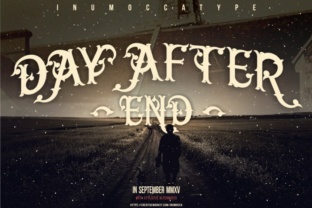
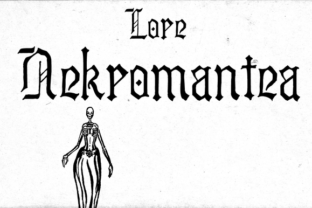
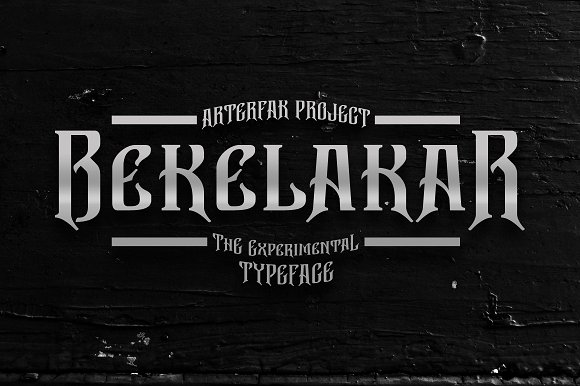
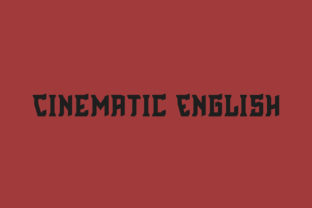
You’ve probably seen it before. A sleek website header, a bold social media graphic, or perhaps a premium product label featuring text that looks like it was ripped straight from a blockbuster movie poster. The font is dramatic, sharp, and undeniably eye-catching. This is Cinematic English, a decorative typeface family inspired by modern movie logotypes and classical blackletter traditions. It commands attention. But here is the hard truth: while it looks incredible in isolation, using it incorrectly can destroy your brand’s credibility, confuse your audience, and ultimately hurt your conversion rates.
Many designers and business owners are drawn to Cinematic English because it promises instant gravitas. They want their logo to look expensive, their headlines to look powerful, and their content to feel urgent. However, there is a significant gap between "looking cool" and "communicating effectively." If you are considering adding this style to your visual identity, you need to understand not just what it is, but where it fails and how to use it without compromising your professional image.
The Allure of the Silver Screen Aesthetic
To understand why Cinematic English is so popular, you have to look at its roots. It borrows heavily from the gothic scripts used in medieval manuscripts and early printing presses, but it strips away the archaic complexity. Instead, it adopts the high-contrast strokes, sharp serifs, and imposing weight found in modern film titles. Think of the opening credits for an action thriller or the title card of a historical drama. The goal of such typography is to set a mood instantly—serious, epic, or mysterious.
For entrepreneurs and marketers, this association is tempting. You want your small business to feel established. You want your blog post to feel authoritative. By using a font that whispers "prestige," you hope to borrow that authority for yourself. And on a purely aesthetic level, it works. A well-placed headline in Cinematic English can anchor a design and provide a striking focal point.
However, this aesthetic comes with a heavy price tag in terms of usability. The very features that make it look cinematic—dense letterforms, intricate details, and low x-heights—make it notoriously difficult to read at small sizes. When you try to scale it down for a mobile screen, a business card, or a footer, those intricate details collapse into a muddy blob. This is the first major pitfall for beginners who download a trendy font pack without testing its versatility.
Common Mistakes That Undermine Your Design
Even experienced creators fall into traps when working with decorative fonts like Cinematic English. The most frequent error is overuse. Because the font is so visually loud, it demands space and silence around it. Yet, many users apply it to body text, navigation menus, or lengthy paragraphs. This creates cognitive friction for the reader. Human eyes struggle to process dense, high-contrast Gothic-style letters for more than a few seconds. If your audience has to squint to understand your value proposition, they will leave.
Another critical mistake involves contrast and pairing. Cinematic English is a strong personality. It does not play well with other strong personalities. Pairing it with another decorative font, or even a standard sans-serif that lacks sufficient weight, often results in a chaotic visual hierarchy. The design feels disjointed rather than dynamic. Furthermore, color choice matters immensely. Using white or light gray Cinematic English on a busy background image is a recipe for invisibility. The fine details vanish, leaving only a vague shape that confuses rather than informs.
- Ignoring Legibility: Assuming that because it looks good as a logo, it will work as a subheading. It usually won’t.
- Poor Color Contrast: Using low-contrast colors that wash out the intricate details of the blackletter style.
- Lack of Breathing Room: Crowding the text with other elements, which negates the font’s intended impact.
How These Errors Impact Your Results
When design choices fail, the consequences extend beyond aesthetics. In marketing, clarity is king. If your pricing page uses Cinematic English for the dollar amounts, potential customers may hesitate to click "Buy" because they cannot quickly verify the cost. In education, if a course syllabus relies on this font for module titles, students might miss important deadlines due to poor readability. For freelancers and agencies, delivering a project that looks unprofessional due to poor font scaling can lead to client dissatisfaction and negative reviews.
There is also the issue of accessibility. Many users rely on screen readers or have visual impairments that require clear, simple typography. Decorative fonts like Cinematic English often lack the open counters and distinct shapes needed for easy recognition by assistive technologies. By prioritizing style over function, you inadvertently exclude a portion of your audience. This is not just a design flaw; it is a communication failure.
Better Approaches for Professional Use
So, should you avoid Cinematic English entirely? Absolutely not. Used sparingly and strategically, it is a powerful tool. The key is restraint. Treat it like a spice in cooking: a little goes a long way. Use it exclusively for primary headlines, logos, or short pull quotes where you want to evoke a specific mood. Never use it for body copy, captions, or technical data.
Pairing is essential. Choose a clean, neutral sans-serif or a highly legible serif for your supporting text. The simplicity of the secondary font allows the Cinematic English to shine without competition. For example, a luxury skincare brand might use Cinematic English for the brand name on the bottle, paired with a minimal sans-serif for the ingredient list. This creates a sophisticated balance between heritage and modernity.
Before finalizing any design, always test your font at actual usage sizes. Print it out on a business card. View it on a smartphone. Check it on a dark background and a light background. If the details disappear or the text becomes illegible, scale back. Consider using a lighter weight of the font or switching to a simpler display typeface for smaller applications.
What to Check Before You Commit
If you are evaluating Cinematic English for a new project, take these steps to ensure success:
- Verify Licensing: Ensure you have the correct commercial license. Many decorative fonts have restrictive usage rights regarding merchandise or digital ads.
- Test Readability: Write a full sentence in the font. Can you read it comfortably after five seconds? If not, it is too complex for general use.
- Assess Context: Does your industry align with the tone? Cinematic English works well for entertainment, fashion, and luxury goods. It may clash with healthcare, technology support, or educational platforms that prioritize approachability and trust.
- Check Scalability: Look at the font files. Do they include multiple weights and styles? A single-weight font limits your ability to create hierarchy.
Ultimately, the goal of any design is to communicate your message clearly while enhancing it aesthetically. Cinematic English is a magnificent tool for enhancement, but it must never overshadow the message itself. By respecting its limitations and using it with intention, you can create designs that are not only visually stunning but also effective, accessible, and professionally sound.