Andreae: The Legacy of Fraktur and Nuremberg’s Printing Revolution
In the bustling heart of 16th-century Nuremberg, a quiet revolution was taking place in the print shops. It wasn’t just about moving ink to paper; it was about redefining how information looked, felt, and resonated with the reader. At the center of this shift stood Hieronymus Andreae, later known as Hieronymus Formenschneider—a man who didn’t just cut woodblocks but carved out a new visual identity for an era. Today, when we look at the bold, angular aesthetics of Blackletter typefaces, we are looking at the enduring legacy of his work. For modern designers, publishers, and historians, understanding Andreae is not merely an academic exercise; it is a lesson in how branding, technology, and art can converge to create something timeless.
From Woodblock Cutter to Publishing Powerhouse
To truly appreciate the impact of Andreae, one must understand the trajectory of his career. He began as a skilled woodblock cutter, a role that demanded precision, patience, and a deep understanding of grain and pressure. This technical foundation proved invaluable when he transitioned into publishing. In the competitive market of Renaissance Europe, being a publisher meant you were the gatekeeper of culture. Andreae didn’t just distribute books; he curated them with an eye for aesthetic excellence.
His decision to adopt the surname Formenschneider—literally "shape-cutter"—was more than a personal branding choice. It was a proclamation of success. It signaled to clients and competitors alike that he was no longer just a craftsman following orders, but an innovator defining forms. This shift in identity mirrored the broader changes happening in the printing industry, where the artisan was becoming an entrepreneur. His work in Nuremberg, until his death in 1565, established him as a pivotal figure in the dissemination of knowledge and art.
The Maximilian Commission and the Birth of Fraktur
No discussion of Andreae is complete without addressing the project that cemented his reputation: the commission from Emperor Maximilian I. The Holy Roman Emperor was a patron of the arts who understood the power of visual propaganda. He wanted a typeface that reflected the grandeur and authority of the Empire, distinct from the Gothic scripts already in use but still rooted in tradition. This directive led to the development of Fraktur.
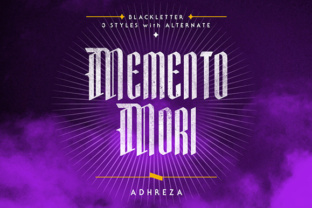
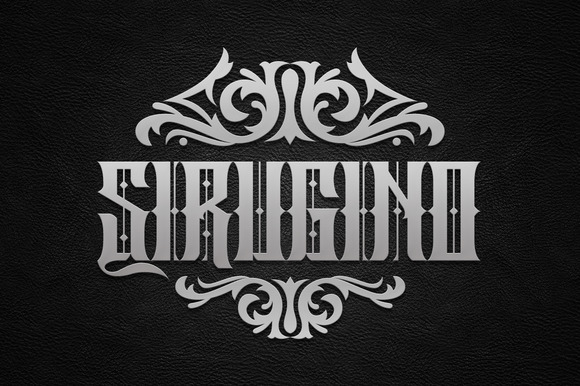
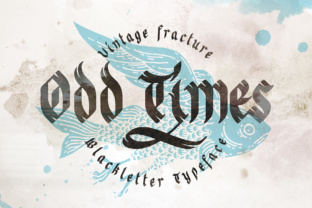
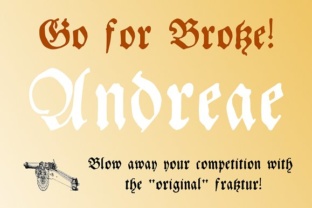
Fraktur was not just a font; it was a statement. It featured broken strokes, sharp angles, and a dense, rhythmic texture that made text appear as a unified block of authority. Andreae worked on this project in collaboration with other masters of the time, including the legendary Albrecht Dürer. While Dürer provided artistic direction and engraving expertise, Andreae’s role in refining the cuts and ensuring the mechanical consistency of the type was crucial. Their joint venture produced some of the first high-quality examples of Fraktur in print, setting a standard that would influence German typography for centuries.
A Musical Foundation for a Visual Style
One of the most fascinating aspects of Andreae’s approach to typography was its interdisciplinary nature. His work on Fraktur was heavily influenced by his earlier masterpiece in the music field: the Coralis Constantini by Henry Isaac. Music and typography share a fundamental reliance on rhythm, spacing, and proportion. When Andreae designed the letters for Fraktur, he applied the same sensibilities he had used to layout musical scores.
This cross-pollination of disciplines resulted in a typeface that felt harmonious despite its jagged appearance. The spacing between letters (kerning) and lines (leading) was calibrated to create a visual rhythm that guided the eye smoothly across the page. For modern creators, this is a powerful reminder that design is not isolated. Skills from one domain—whether it’s coding, music, or architecture—can profoundly enhance your work in another.
Why Andreae Matters for Modern Designers
You might wonder why a 16th-century printer matters to you today. Whether you are a web designer, a brand strategist, or a content creator, the principles behind Andreae’s work offer practical value. Here is how his legacy translates to contemporary applications:
- Brand Identity and Heritage: Brands often seek to evoke trust, tradition, and authority. Fraktur-inspired fonts are frequently used in brewing, automotive, and heritage brands to signal quality and history. Understanding the origins of these fonts helps you choose them intentionally rather than aesthetically alone.
- Visual Hierarchy: The density of Fraktur creates a strong visual weight. In editorial design, using such heavy typefaces for headlines can create a striking contrast against lighter body text, improving readability and engagement.
- Cross-Disciplinary Thinking: Andreae’s use of musical structure in typography encourages us to look for patterns in unrelated fields. If you are struggling with layout, try thinking about it like a composer arranging notes. Does the flow feel natural? Is there balance?
Practical Considerations for Using Fraktur-Inspired Type
While the aesthetic appeal of Fraktur is undeniable, it comes with significant usability challenges. As professionals, we must balance beauty with function. Here are key considerations when incorporating Andreae’s style into modern projects:
- Readability Limits: Fraktur is difficult to read in long passages, especially on low-resolution screens. Use it for headlines, logos, or short quotes. Avoid using it for body copy in digital environments unless your audience is specifically accustomed to it.
- Contextual Appropriateness: Be mindful of cultural connotations. Due to its historical usage, certain Blackletter styles have been associated with negative political movements in the 20th century. Ensure your use of the font aligns with positive values of craftsmanship, history, or regional pride, and avoid contexts that could be misinterpreted.
- Pairing Strategies: To make Fraktur work, pair it with clean, simple sans-serif or serif fonts. The contrast between the ornate, complex letterforms of Fraktur and the simplicity of a modern font creates a balanced composition that is both eye-catching and legible.
Conclusion: A Timeless Craft
Hieronymus Andreae’s journey from woodblock cutter to the man who helped introduce Fraktur to the world is a testament to the power of specialization and innovation. He didn’t just follow trends; he set them by applying rigorous standards from music and art to the mechanics of printing. For today’s professionals, his story offers a blueprint for excellence: master your craft, look beyond your immediate discipline, and always consider the user experience.
Whether you are designing a logo, editing a book, or developing a brand strategy, remember that every visual choice has a history. By understanding the roots of tools like Fraktur, you gain a deeper appreciation for the medium and a sharper edge in your creative practice. Andreae’s legacy lives on not just in museums, but in every carefully crafted design that prioritizes clarity, beauty, and purpose.