Spine Chilling: The Spooky Blackletter Font for Creepy Designs
If you have ever scrolled through a horror movie poster, a heavy metal album cover, or a Halloween-themed website and felt that immediate jolt of unease, you likely encountered the influence of blackletter typography. Among the many typefaces available to designers and creators today, Spine Chilling stands out as a particularly effective tool for evoking that specific brand of dread. It is not just another decorative font; it is a carefully crafted digital artifact designed to mimic the look of old-world calligraphy while injecting a modern sense of discomfort.
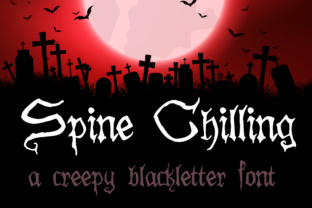
This creepy blackletter font has a hand-crafted and slightly spooky feel to it, which makes it an excellent choice for projects that need to establish atmosphere quickly. Whether you are a graphic designer looking for the perfect headline for a thriller novel cover or a small business owner planning a haunted house attraction, understanding how to use this typeface effectively can elevate your visual communication from ordinary to unforgettable.
What Makes Spine Chilling Different?
To understand why Spine Chilling works so well, it helps to look at its roots. Traditional blackletter fonts, often referred to as Gothic or Old English styles, were dominant in Western Europe during the Middle Ages. They were formal, dense, and authoritative. However, Spine Chilling takes these historical elements and distorts them slightly to create something more unsettling.
The "hand-crafted" aspect mentioned in its description is key. Unlike rigid, mechanical sans-serif fonts, Spine Chilling features irregularities that suggest human touch—specifically, the touch of someone writing in haste or fear. You might notice slight variations in stroke width, jagged edges on certain terminals, and a general sense of imbalance that subconsciously triggers alertness in the viewer. This is not clean, corporate minimalism; it is raw, textured, and intentionally imperfect.
- Irregular Strokes: The lines are not perfectly uniform, giving the text a worn or aged appearance.
- Sharp Angles: Many characters feature sharp, almost needle-like points that can visually "prick" the eye.
- Dense Kerning: The letters often sit close together, creating a claustrophobic block of text that feels heavy and imposing.
Who Should Use This Font?
You might be wondering if this niche style fits your needs. While it is clearly specialized, the audience for spooky, atmospheric design is broader than you might think. Here are several groups who find value in using Spine Chilling:
- Content Creators and YouTubers: If you run a channel focused on true crime, paranormal investigations, or horror storytelling, this font can serve as a powerful branding element for thumbnails and intro sequences.
- Event Planners: For Halloween parties, escape rooms, or theatrical productions, signage and posters need to communicate the theme instantly. A blackletter font does this work for you before the guest even reads the details.
- Authors and Publishers: Writers of gothic fiction, dark fantasy, or mystery novels often struggle to find covers that match their tone. Spine Chilling offers a quick way to signal genre expectations to potential readers.
- Small Business Owners: Breweries, tattoo parlors, and vintage clothing stores sometimes use blackletter aesthetics to convey tradition, edge, or rebellion. However, they must use it carefully to avoid looking cliché.
Practical Applications and Use Cases
Knowing what the font is and who uses it is one thing, but knowing how to apply it is where the real skill lies. Because Spine Chilling is visually heavy and complex, it requires strategic placement to remain readable and impactful.
Headlines and Titles
The most common and effective use for this typeface is in headlines. Do not try to set long paragraphs of body text in Spine Chilling. The irregular shapes will become difficult to read after just a few sentences, causing reader fatigue. Instead, use it for short, punchy titles. For example, a blog post about "The History of Haunted Houses" could use Spine Chilling for the main header, while keeping the article text in a clean, simple serif or sans-serif font for contrast.
Logo Design
For brands wanting to project a mysterious or edgy identity, this font can be highly effective. Imagine a logo for a craft beer called "Nightshade Ale." Using Spine Chilling for the word "Ale" could add a layer of intrigue. However, ensure that the logo remains legible at small sizes, such as on social media avatars or business cards. Test your design in grayscale to ensure the contrast holds up without color assistance.
Social Media Graphics
In the fast-paced world of Instagram or TikTok, you have seconds to grab attention. A spooky aesthetic stops the scroll. Use Spine Chilling for overlay text on images related to horror themes. Pair it with dark backgrounds and high-contrast colors like blood red, sickly green, or stark white to maximize visibility.
Important Considerations Before You Download
Before you start adding Spine Chilling to every design file, there are practical considerations to keep in mind. Typography is not just about aesthetics; it is about function and legality.
Licensing and Usage Rights: Always check the license agreement for the font. Some blackletter fonts are free for personal use only, meaning you cannot use them for commercial products like t-shirts, logos for businesses, or paid advertisements. If you are a freelancer or business owner, you may need to purchase a commercial license to avoid legal issues. Look for terms that specify "desktop," "web," and "commercial" usage rights.
Readability vs. Style: The primary risk with any decorative font is losing the message. If your audience cannot read what you are saying, the font has failed. Ask yourself: Is the text too distorted? Are the ascenders (the parts of letters like 'b' or 'h' that go up) too tangled? If you find yourself squinting to decipher the words, choose a simpler alternative or increase the size significantly.
Pairing with Other Fonts: One of the biggest mistakes beginners make is pairing two busy fonts together. Since Spine Chilling is already complex and detailed, it should be paired with very simple, neutral fonts. A clean sans-serif like Helvetica or a classic serif like Garamond provides the necessary breathing room. The simplicity of the secondary font allows the spooky nature of Spine Chilling to shine without creating visual chaos.
Final Thoughts on Atmospheric Design
Typography is a powerful emotional trigger. Words tell us what to think, but fonts tell us how to feel. Spine Chilling leverages the inherent tension of blackletter styles—their historical weight combined with their jagged, unnatural forms—to create a sense of unease. When used thoughtfully, it can transform a mundane design into an immersive experience.
Whether you are designing a flyer for a local ghost tour, creating a title card for a podcast episode, or simply experimenting with creative writing layouts, this font offers a unique toolkit for expression. Remember to respect its limitations: use it sparingly, pair it wisely, and always prioritize the clarity of your message. By doing so, you can harness the creepy, hand-crafted spirit of Spine Chilling to create designs that truly resonate with your audience.