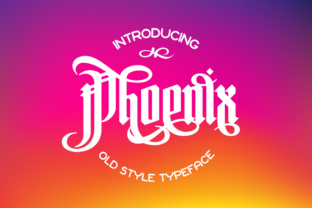
Phoenix: A Gothic Typeface for High-Impact Design
In the landscape of digital and print typography, finding a font that balances historical gravitas with modern legibility is often a challenge. Many Gothic typefaces lean too heavily into rigidity, while others sacrifice clarity for stylistic flair. Phoenix emerges as a compelling solution for designers seeking a robust, elegant, and versatile display font. It is not merely a decorative element; it is a structural tool capable of anchoring brand identities, elevating editorial layouts, and conveying sophistication across various media.
This analysis examines Phoenix from a practical design perspective, evaluating its visual characteristics, application potential, and suitability for professional workflows. Whether you are a freelance graphic designer crafting a logo or a publisher preparing a high-end wedding invitation suite, understanding the specific strengths and limitations of this typeface is essential for making informed creative decisions.
Visual Characteristics and Structural Integrity
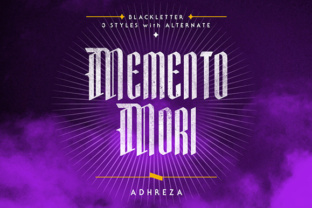
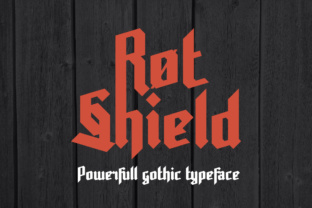
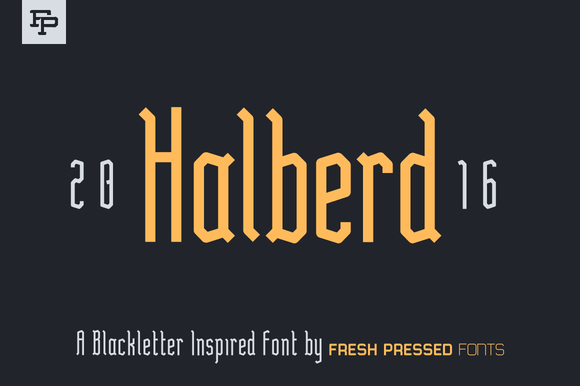
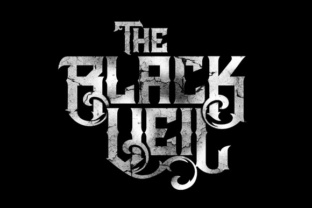
Phoenix is classified as a Gothic typeface, yet it distinguishes itself through nuanced details that prevent it from feeling generic. The term "Gothic" in typography typically refers to sans-serif fonts, but in the context of Phoenix, the aesthetic leans toward the sharp, architectural lines reminiscent of blackletter traditions without the complexity that hinders readability at smaller sizes.
- Stroke Contrast: The typeface features deliberate variations in stroke weight. This contrast creates visual interest and guides the eye through headlines, making it particularly effective for large-scale applications where impact is paramount.
- Serif Details: While primarily a sans-serif structure, Phoenix incorporates subtle serif-like terminals in certain weights. These details add a layer of classical refinement, bridging the gap between modern minimalism and traditional elegance.
- X-Height and Proportions: The x-height is relatively tall, which enhances legibility even when the font is used in slightly smaller sizes. However, its primary strength lies in display sizes, where its distinctive character shapes can fully articulate their intended mood.
The overall silhouette of Phoenix is upright and confident. It does not slant aggressively nor does it appear overly condensed. This balanced proportion allows it to sit comfortably alongside other design elements without dominating the layout unnecessarily. For designers who value white space and clean composition, Phoenix offers enough visual weight to serve as a focal point without requiring excessive scaling.
Primary Applications and Use Cases
Understanding where a typeface performs best is critical for its successful implementation. Phoenix is engineered for contexts that demand authority, tradition, and aesthetic appeal. Its versatility allows it to span several distinct industries and project types.
Logo Design and Brand Identity
One of the most common and effective uses for Phoenix is in logo creation. The font’s strong geometric foundation and distinctive letterforms make it ideal for creating memorable wordmarks. Brands in the luxury goods, legal services, architecture, and heritage sectors often benefit from the sense of permanence and trust that Phoenix conveys.
When designing a logo, consistency is key. Phoenix provides a cohesive family of weights that allows for hierarchical text treatment within a single mark. For instance, using a bold weight for the primary brand name paired with a lighter italic variant for a tagline can create a dynamic yet unified visual identity. The sharp angles of the letters can also be leveraged to create custom ligatures or monograms, adding a bespoke touch to corporate branding.
Editorial and Publication Headers
In the realm of publishing, headers must capture attention immediately. Phoenix excels in magazine covers, newspaper mastheads, and blog post titles. Its ability to command attention ensures that content stands out in crowded digital feeds or on physical newsstands. For bloggers and content creators, using Phoenix for featured article titles can elevate the perceived quality of the publication, signaling to readers that the content within is curated and valuable.
Furthermore, the font’s readability supports longer headlines. Unlike highly stylized display fonts that may become illegible when stretched or wrapped around images, Phoenix maintains its integrity across different formatting constraints. This reliability reduces the need for constant manual adjustment, streamlining the editorial workflow.
Event Invitations and Stationery
The request for Phoenix frequently comes from those involved in event planning, particularly for weddings and formal galas. Classical wedding invitations require a balance of romance and formality. Phoenix delivers this through its refined lines and classic proportions. It avoids the cliché of overly ornate script fonts, offering a modern alternative that still feels timeless.
For stationery suites, including business cards, letterheads, and RSVP cards, Phoenix adds a layer of professionalism. The subtle details in the letterforms suggest attention to detail—a trait highly valued by recipients of formal correspondence. When printed on high-quality paper stock, the ink interaction with Phoenix’s sharp edges can produce a crisp, premium finish that enhances the tactile experience of the invitation.
Practical Considerations for Designers
While Phoenix offers numerous advantages, no typeface is universally perfect. Evaluating its usability requires an honest assessment of its technical specifications and contextual fit.
Ligatures and Kerning
As with many display-oriented typefaces, kerning pairs may require manual adjustment in complex layouts. While the default spacing is generally sound, designers working with tight tracking or specific letter combinations should inspect the output closely. The presence of discretionary ligatures can enhance the aesthetic flow of words like "fi" or "fl," but these features must be enabled in the design software. Users relying on basic text editors may find that some advanced typographic features are unavailable, limiting the font’s full expression.
Legibility at Small Sizes
Phoenix is not optimized for body text. Attempting to set long paragraphs in this typeface will result in reader fatigue due to its high contrast and distinctive shapes. It is strictly a display font. Designers must pair Phoenix with a highly readable sans-serif or serif font for supporting copy. This limitation is standard for fonts of its category but is worth noting to avoid misuse. A common strategy is to use Phoenix for headlines and pull quotes, while reserving a neutral typeface for the main body content.
Compatibility and Licensing
Before integrating Phoenix into a project, verify its licensing terms. Commercial use, web embedding, and app integration each have different requirements. Some fonts allow free personal use but require a license for commercial projects. Ensuring compliance protects both the designer and the client from legal issues. Additionally, check for web-font compatibility (WOFF/WOFF2 formats) if the design includes digital components. Reliable availability across platforms ensures that the design renders consistently whether viewed on a desktop monitor or a mobile device.
Evaluating Long-Term Value and Versatility
The true test of a typeface is its longevity. Trends in design shift rapidly, with fads coming and going every few years. Phoenix appears to be designed with timelessness in mind. Its roots in classical Gothic structures give it a historical anchor, while its clean execution keeps it relevant in contemporary contexts.
For businesses looking to establish a brand identity that will endure, investing in a versatile and durable typeface like Phoenix is a prudent decision. It reduces the need for frequent rebranding efforts driven by outdated aesthetics. Moreover, its flexibility across multiple mediums—from print collateral to digital interfaces—maximizes the return on investment. A single font choice that works effectively across all touchpoints simplifies brand management and ensures visual coherence.
Additionally, Phoenix’s adaptability allows it to be used in unexpected ways. While traditionally associated with formal and serious contexts, designers have found success using it in edgy, streetwear-inspired campaigns by juxtaposing it with vibrant colors and unconventional layouts. This duality makes it a valuable asset in a designer’s toolkit, capable of serving both conservative clients and innovative startups.
Conclusion
Phoenix represents a thoughtful intersection of tradition and modernity. It is not a novelty font but a serious tool for professional designers who prioritize clarity, elegance, and impact. Its strengths lie in its ability to convey authority and sophistication without sacrificing readability in headline contexts. By understanding its optimal use cases and technical limitations, designers can leverage Phoenix to create compelling visual narratives.
For those seeking to elevate their logo designs, refine their editorial hierarchy, or craft memorable invitations, Phoenix offers a reliable and aesthetically pleasing solution. It fits seamlessly into workflows that demand precision and style, proving that a well-crafted typeface remains one of the most powerful assets in a designer’s arsenal.