Kachelofen: A Typeface With History, Character, and Practical Versatility
When you are designing a layout, the choice of typography often dictates the mood before a single word is read. It sets the tone for authority, warmth, nostalgia, or modernity. This is where Kachelofen steps in as more than just a font; it is a bridge between the artisanal past and contemporary design needs. Named after the German tile stove, this typeface carries the weight of history while offering the flexibility required by today’s digital and print landscapes.
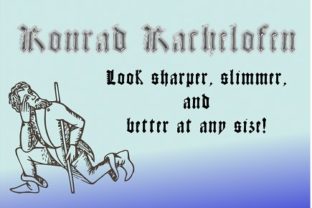
To understand why Kachelofen is worth considering for your next project, we need to look at its origins. The name derives from Konrad Kachelhofen, a printer who operated in Leipzig starting around 1483. During the incunabula period—the era of early printed books—Kachelhofen was a significant figure. He didn’t just print texts; he curated them. His shop was a hub that included a wine bar and a bookstore, suggesting a community-focused atmosphere rather than a sterile industrial output. He acquired an unusually large collection of typefaces for his time, printing works by both contemporary authors and classical texts. After passing his business to his son-in-law, Melchior Lotter, around 1529, his legacy remained embedded in the physical impressions left on paper.
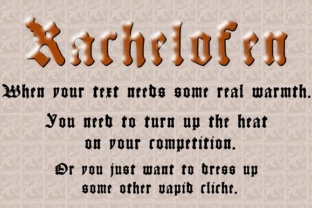
The modern Kachelofen face is based on Typ.8 170G GfT101 from the Gesamtkatalog der Wiegendrucke (the complete catalog of incunabula). It captures the distinct characteristics of late 15th-century blackletter and humanist transitions. Crucially, it comes with two weights, providing designers with immediate versatility without needing to hunt for additional files. But how does a font rooted in 1483 serve a graphic designer in 2024? Let’s break down the practical applications.
Why Use Kachelofen Today?
In a digital world dominated by clean sans-serifs and geometric grotesques, serif and blackletter typefaces offer a way to stand out. They signal craftsmanship, tradition, and attention to detail. Kachelofen is not a heavy, gothic blackletter that is difficult to read in long passages. Instead, it sits in that sweet spot of readability and character. It is legible enough for body text in moderate sizes but possesses enough historical flavor to command attention as a display font.
The inclusion of two weights allows for hierarchy within a single family. You can use the lighter weight for subheadings or supporting text to maintain elegance, while the heavier weight anchors headlines. This reduces the need to pair multiple fonts, keeping your design system cohesive and reducing cognitive load for the viewer.
Real-World Applications and Use Cases
Understanding where to apply Kachelofen requires looking at specific scenarios. Here is how different professionals might integrate this typeface into their workflows effectively.
Branding for Artisanal and Heritage Businesses
If you own a small business rooted in tradition, such as a craft brewery, a boutique winery, or a specialty coffee roaster, Kachelofen is an excellent choice. These industries rely heavily on storytelling about origin and process. A label for a beer bottle or a wine box benefits from the tactile feel of the typeface. It suggests that the product inside was made with care, perhaps even referencing old-world recipes or methods.
- Breweries: Use the heavier weight for the brand name on labels. The texture mimics the ink bleed of early printing, adding authenticity.
- Bakeries and Delis: For signage or menu boards, the typeface evokes the feeling of a handwritten chalkboard but with the precision of professional typesetting.
Editorial Design and Publishing
Publishers working on historical non-fiction, poetry collections, or literary magazines often seek fonts that respect the content’s gravity. Kachelofen pairs well with modern sans-serifs for body copy, creating a sophisticated contrast. Imagine a magazine spread discussing the history of the Renaissance. Using Kachelofen for pull quotes or section headers adds visual interest without distracting from the main text.
Educators and textbook publishers can also find value here. When introducing students to historical documents or primary sources, using a typeface that resembles the era being studied can enhance immersion. It serves as a subtle educational tool, helping readers visualize the context of the material they are reading.
Digital Content and Blogging
For bloggers and content creators, especially those in niches like history, architecture, or luxury lifestyle, Kachelofen can be used sparingly to break up text. Web browsers now support high-resolution web fonts, making historical typefaces viable for screen use. However, caution is advised. Due to its intricate details, it should not be used for long-form paragraphs on low-resolution screens. Instead, reserve it for:
- Hero images on landing pages.
- Section dividers or decorative rules.
- Short, impactful statements or testimonials.
Event Marketing and Invitations
Weddings, galas, and cultural events often require stationery that feels special. Kachelofen brings an air of formality and occasion to invitations. It avoids the cliché of overly ornate script fonts while still feeling elevated. A concert poster for a classical music ensemble or a theater production set in the 16th century would benefit greatly from this aesthetic.
What Users Should Consider Before Choosing Kachelofen
While Kachelofen is versatile, it is not a one-size-fits-all solution. To get the most out of this typeface, keep the following practical considerations in mind.
Readability and Scale
The defining feature of Kachelofen is its historical accuracy, which includes certain irregularities and densities found in early printing. At very small sizes (below 10pt), these details can blur together, reducing legibility. Always test your chosen size. If you are designing for mobile devices, stick to the lighter weight and larger point sizes. Reserve the heavier weight for print materials or large-format displays where resolution is higher.
Pairing Strategies
Because Kachelofen has strong personality, it can overpower other fonts if not paired carefully. The safest route is to pair it with neutral, modern typefaces. A clean sans-serif like Helvetica, Arial, or a modern geometric grotesque provides a stable foundation that allows Kachelofen to shine as a decorative element. Avoid pairing it with other historical or highly stylized fonts, as this can create visual clutter and confusion for the reader.
Licensing and Usage Rights
Before downloading or purchasing any typeface, always review the license agreement. Some fonts are free for personal use only, requiring a commercial license for client work or products sold to customers. As a freelancer or business owner, ensuring you have the correct rights protects you from legal issues. Check if the two-weight structure mentioned in the description is included in the standard license or if it requires a premium tier.
Audience Expectations
Consider who will be seeing your design. If your audience is younger and accustomed to minimalist, tech-forward aesthetics, Kachelofen might feel too "old" or heavy. It works best when the target demographic appreciates heritage, craftsmanship, or artistic depth. For a startup launching a new AI app, this font might send the wrong message. For a studio specializing in traditional woodworking, it sends the right one.
Maximizing Value Through Context
The true power of Kachelofen lies in its ability to tell a story through shape. It reminds us of a time when every letter was carved or cast by hand, carrying the imperfections and beauty of human effort. In an age of automated templates and stock imagery, using a font with such a distinct lineage can add a layer of authenticity that resonates with consumers.
Whether you are designing a menu for a tavern, a logo for a heritage brand, or a header for a blog post about history, Kachelofen offers a tangible connection to the past. By understanding its strengths and limitations, you can use it not just as a decorative tool, but as a strategic element in your communication. It invites the user to slow down, appreciate the detail, and engage with the content on a deeper level. That is the ultimate goal of good design: to create a meaningful interaction between the message and the medium.