Evaluating The Pontifice: A Gothic Typeface Analysis
Selecting the right typeface is a critical decision in graphic design, branding, and digital interface development. Fonts are not merely vessels for text; they establish tone, convey personality, and influence readability. Among the diverse landscape of display fonts, The Pontifice has emerged as a distinctive option for designers seeking a blend of historical authority and modern accessibility. This article provides an objective evaluation of The Pontifice, examining its origins, visual characteristics, practical applications, and potential limitations to help you determine if it aligns with your specific project requirements.
Understanding The Pontifice’s Design DNA
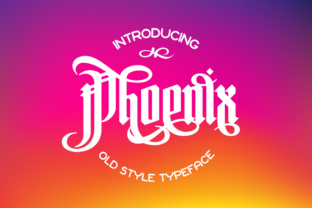
To evaluate any typeface effectively, one must first understand its structural foundation. The Pontifice is rooted in the gothic tradition, specifically derived from the Phoenix font. Phoenix is well-regarded in the design community for its clean lines and strong presence, often used in editorial and display contexts. However, The Pontifice introduces significant modifications that alter its functional behavior and aesthetic appeal.
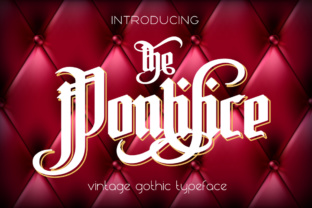
The primary distinction lies in the treatment of corners and proportions. While traditional gothic or sans-serif fonts often feature sharp, rigid angles, The Pontifice incorporates soft corners. This rounding effect reduces the visual harshness of the letterforms, creating a more inviting and approachable appearance. Furthermore, the glyphs are designed to be wider than their standard counterparts. This increased width affects both the x-height and the overall spacing (tracking) of the text, resulting in a layout that feels spacious and grounded rather than cramped or aggressive.
These design choices suggest that The Pontifice is not intended to replicate the stark minimalism of mid-century modernist sans-serifs. Instead, it occupies a niche that bridges the gap between authoritative display typography and friendly, readable body text. For designers researching fonts, this hybrid nature is a key factor to consider.
Why Consider The Pontifice?
When evaluating typefaces, it is essential to identify the problems they solve. The Pontifice offers several distinct advantages that may appeal to specific audiences and use cases.
- Enhanced Readability at Large Sizes: The wider glyphs and soft corners contribute to excellent legibility, particularly when used in headlines or signage. The open counters (the enclosed spaces within letters like 'e' or 'a') prevent the text from feeling dense, allowing the eye to move smoothly across the line.
- Unique Brand Identity: In a market saturated with generic Helvetica or Arial derivatives, The Pontifice offers a recognizable character. Its gothic heritage provides a sense of stability and tradition, while the softened edges inject a contemporary, relaxed vibe. This duality can help brands appear both trustworthy and modern.
- Versatility in Display Applications: Because of its strong visual weight, The Pontifice performs exceptionally well in short-form text. It is ideal for logos, poster headlines, book covers, and promotional banners where immediate visual impact is required.
For users comparing options, the decision to choose The Pontifice often hinges on the desire for a font that commands attention without appearing intimidating. It serves as a strong alternative to heavier slab serifs or overly geometric sans-serifs.
Tradeoffs and Limitations
No typeface is universally perfect, and understanding the tradeoffs is crucial for making an informed selection. When evaluating The Pontifice, designers should be aware of certain limitations that may arise in different contexts.
Body Text Constraints
While The Pontifice is highly legible, its wide glyph structure makes it less suitable for long-form body copy. The increased width consumes more horizontal space, which can lead to excessive line breaks or narrow columns in web and print layouts. If your project requires extensive paragraphs of text, pairing The Pontifice with a narrower, lighter font for body content is advisable. Using it exclusively for all text levels may result in visual fatigue or inefficient use of screen real estate.
Niche Aesthetic Appeal
The specific combination of gothic roots and soft corners creates a unique voice that may not suit every brand. Projects requiring strict neutrality, such as technical documentation, legal forms, or minimalist corporate interfaces, might find The Pontifice too stylized. In these scenarios, a more neutral sans-serif would likely provide the necessary clarity without introducing unintended emotional cues.
Ligature and Character Set Variability
As with many specialized display fonts, the completeness of the character set should be verified before purchase or download. Ensure that The Pontifice includes the necessary accents, symbols, and punctuation marks required for your target audience. Limited language support can restrict its usability in international projects.
Situational Fit: Where The Pontifice Shines
Based on its design characteristics, The Pontifice is a strong fit for several specific scenarios. Recognizing these situations can help you decide whether this font meets your needs.
- Creative Agencies and Studios: Brands that want to project creativity alongside professionalism will find The Pontifice appealing. Its distinctive shape stands out in portfolios and marketing materials.
- Hospitality and Lifestyle Brands: Restaurants, cafes, boutique hotels, and lifestyle blogs often benefit from the warm yet structured feel of The Pontifice. It suggests quality and comfort without sacrificing modern relevance.
- Event Marketing: For conferences, festivals, or product launches, The Pontifice’s bold presence ensures that key messages are captured quickly. Its readability at a distance makes it suitable for large-format printing.
- Educational Materials: Certain educational resources aimed at younger audiences or those requiring high engagement may use The Pontifice for headings to create a friendly learning environment.
Alternatives to Consider
If The Pontifice does not fully align with your goals, several alternatives exist depending on your specific priorities.
If you require a more traditional gothic look without the softening, Franklin Gothic or Akzidenz-Grotesk offer historical authenticity and sharp precision. These are better suited for corporate identities that prioritize seriousness and timelessness.
If the width of The Pontifice is problematic but you still desire a friendly sans-serif, consider Nunito or Quicksand. These fonts also feature rounded corners but are optimized for broader usage, including web interfaces and longer texts.
For a direct comparison within the same stylistic family, exploring other variations of the Phoenix font may reveal options that balance width and edge treatment differently. Some versions may offer tighter kerning or sharper angles, providing more flexibility for dense layouts.
Practical Decision-Making Insights
To determine if The Pontifice is the right choice, follow these practical steps during your evaluation process:
- Test in Context: Do not judge the font in isolation. Place it in actual mockups—on business cards, website headers, or app screens. Observe how it interacts with images and other design elements.
- Check Pairings: Experiment with pairing The Pontifice with complementary fonts. A simple sans-serif or a classic serif often works well to balance its bold display nature.
- Analyze Legibility: Print the font at various sizes. Check for any rendering issues or awkward spacing that may occur at smaller scales.
- Review Licensing: Ensure the license allows for your intended use, whether it is personal, commercial, or embedded in software.
In conclusion, The Pontifice is a compelling typeface that offers a unique blend of gothic structure and modern softness. It excels in display applications where visual impact and approachability are paramount. However, its width and stylized nature necessitate careful consideration regarding its use in body text and strictly neutral contexts. By weighing these benefits against the potential tradeoffs, designers can make an informed decision that enhances their project’s overall communication effectiveness.