Evaluating Amerbach 883: A Practical Guide to Its Historical Roots and Modern Application
In the realm of typographic design, few typefaces offer the specific blend of historical gravitas and modern readability found in Amerbach 883. This font is not merely a digital reproduction; it is a carefully curated interpretation of early Renaissance printing techniques, designed to bridge the gap between the ornate rigidity of medieval blackletter and the humanist clarity of antiqua. For designers, historians, and publishers seeking to evoke a sense of scholarly authority without sacrificing legibility, understanding the nuances of this typeface is essential.
To evaluate whether Amerbach 883 is the right tool for your project, one must look beyond its aesthetic appeal and examine its structural composition, its historical context within the printing hub of Basel, and its practical performance in contemporary layouts. This analysis provides a balanced overview of its strengths, limitations, and ideal use cases.
The Anatomy of Amerbach 883: Balancing Fanciful Majuscules with Friendly Minuscules
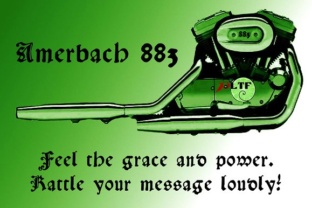
The distinct character of Amerbach 883 lies in its deliberate asymmetry between capital and lowercase letters. Unlike many traditional blackletter styles that maintain a uniform verticality and sharp angularity across all characters, this typeface introduces a subtle warmth through its minuscules. These lowercase letters are cut with a rounder, more organic geometry than is typical for the style. They feel approachable and friendly, reducing the visual density that often makes dense blackletter text difficult to read for extended periods.
Conversely, the majuscules (uppercase letters) in Amerbach 883 are described as "fancifully cut." This refers to the intricate detailing, flourishes, and decorative elements present in the capitals. They serve as strong visual anchors in headings or display text, providing a sense of occasion and craftsmanship. The juxtaposition of these elaborate capitals against the softer, rounded minuscules creates a dynamic visual rhythm. It prevents the text from feeling monotonous while maintaining enough consistency to remain readable.
This dual nature makes Amerbach 883 particularly effective in editorial design where hierarchy is crucial. The fanciful capitals draw the eye to section headers or pull quotes, while the friendly minuscules guide the reader smoothly through body copy. However, this distinction also means that the typeface requires careful handling. If used entirely in uppercase, it may appear overly ornate; if used entirely in lowercase, it loses much of its distinctive historical flavor.
Historical Context: The Legacy of Johann Amerbach
Understanding the origin of this typeface adds depth to its evaluation. Johann Amerbach was a pivotal figure in the history of printing, operating successfully in Basel, Switzerland, during the late 15th and early 16th centuries. Basel was not just a city but a intellectual crossroads, home to an extensive network of scholars and humanists. Amerbach’s press was central to this ecosystem, issuing over 100 works during his 35-year career.
What makes Amerbach’s legacy particularly relevant to the design of this font is his role in spreading the use of Antiqua fonts in German-speaking lands. While blackletter remained dominant in Northern Europe, Amerbach recognized the clarity and classical associations of Roman-type fonts. He printed significant works by the Church Fathers and other scholarly texts, often choosing typography that reflected the humanist values of clarity and accessibility.
Amerbach 883, therefore, is not just a blackletter font; it is a hybrid that reflects this transitional period in print history. It retains the cultural identity of blackletter while incorporating the readability principles championed by Amerbach himself. When you choose this typeface, you are invoking a specific moment in publishing history where tradition began to yield to enlightenment-era ideals of communication.
Comparative Analysis: Amerbach 883 vs. Traditional Blackletter and Antiqua
When evaluating Amerbach 883, it is helpful to compare it against two primary categories: traditional Fraktur or Schwabacher blackletters, and standard Antiqua (Roman) serif fonts.
Versus Traditional Blackletter
Traditional blackletter styles, such as Fraktur, are characterized by their heavy vertical stress, sharp angles, and high contrast. They are visually striking but can be fatiguing to read in long passages. Amerbach 883 offers a compelling alternative for projects that require the aesthetic of blackletter but cannot tolerate the poor readability of strict historical reproductions. The rounder minuscules reduce the "wall of black" effect, allowing white space to breathe. This makes Amerbach 883 superior for longer-form content, such as book chapters or magazine articles, whereas traditional blackletter remains better suited for short displays, logos, or ceremonial invitations.
Versus Standard Antiqua
Standard Antiqua fonts prioritize neutrality and maximum legibility. They lack the decorative flair of blackletter. If your goal is purely functional communication—such as technical manuals or corporate reports—Antiqua is likely the more appropriate choice. Amerbach 883 introduces a layer of personality and historical texture that Antiqua lacks. It is best chosen when the tone of the piece needs to convey heritage, academia, artistry, or solemnity. It adds character without compromising too much on readability, making it a middle ground between the starkness of modern sans-serifs and the heaviness of gothic scripts.
Strengths and Tradeoffs in Practical Application
No typeface is perfect for every scenario. Evaluating the tradeoffs of Amerbach 883 helps in making an informed decision.
- Legibility in Small Sizes: Due to the intricate cuts of the majuscules and the density of the blackletter structure, Amerbach 883 may lose definition at very small point sizes (e.g., under 9pt). It is best reserved for body text no smaller than 11pt or for display purposes. For footnotes or fine print, a simpler Antiqua or sans-serif is recommended.
- Line Length Constraints: Like most blackletter variants, Amerbach 883 performs best in shorter line lengths. Wide columns of text can become visually overwhelming due to the dark color of the type. Designers should consider narrower column widths or increased leading (line spacing) to mitigate this.
- Kerning and Spacing: The fancy cuts in the capitals require precise kerning. Automatic tracking settings may not always account for the protruding serifs or flourishes, potentially leading to awkward gaps or collisions. Manual adjustment is often necessary for professional results.
- Cultural Connotations: While historically accurate, blackletter types carry specific cultural weight. In certain contexts, they may evoke associations with older religious texts or academic institutions. Ensure this aligns with your brand voice. It may feel out of place in tech startups or minimalist lifestyle brands, but it excels in publishing, education, and heritage branding.
Decision Factors: When to Choose Amerbach 883
Determining whether to invest time in mastering this typeface depends on your specific project goals. Consider the following scenarios:
- Academic and Religious Publishing: Given Johann Amerbach’s history of printing Church Fathers and scholarly works, Amerbach 883 is exceptionally well-suited for theological texts, philosophy books, or university publications. It signals seriousness and tradition.
- Heritage Branding: Brands looking to establish a connection to history, craftsmanship, or European heritage will find this font highly effective. It conveys stability and expertise without appearing archaic or unreadable.
- Editorial Design: Magazines and journals covering arts, culture, or history can use Amerbach 883 for section headers and drop caps to create visual interest, paired with a clean Antiqua for body text to ensure balance.
Conversely, you might want to avoid Amerbach 883 if your project requires high-speed scanning compatibility (OCR systems sometimes struggle with complex blackletter shapes), mobile-first responsive design where space is extremely limited, or a modern, tech-forward aesthetic.
Conclusion: A Refined Tool for Specific Needs
Amerbach 883 stands out as a refined option for designers who need the visual impact of blackletter without the associated readability pitfalls. By combining fanciful, historically rooted capitals with subtly rounded, friendly minuscules, it achieves a balance that honors the legacy of Johann Amerbach while serving modern design needs. It is not a universal solution, but for the right context—academic, ceremonial, or heritage-focused—it offers a distinctive voice that commands attention and respects the reader’s experience. Careful consideration of size, spacing, and context will ensure that this typeface enhances your project rather than hindering it.