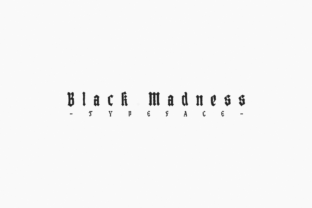
Black Madness: The Art of Intentional Chaos in Design
In a digital landscape dominated by clean lines, minimalist sans-serifs, and perfectly aligned grids, there is a growing appetite for the raw, the tactile, and the imperfect. This is where Black Madness enters the conversation. It is not merely a font; it is a stylistic rebellion against the sterile precision of modern web design. Inspired by the historical weight of blackletter typography—think Gothic scripts and medieval manuscripts—it strips away the rigid rules of calligraphy to embrace an abstract, intuitive, and deeply expressive form.
For designers, marketers, and creators aged 20 to 50, understanding how to wield a typeface like Black Madness is about more than just aesthetics. It is about conveying mood, heritage, and intensity without saying a word. This guide explores how to integrate this chaotic elegance into your projects while maintaining clarity and professional integrity.
Deconstructing the Aesthetic: Why Abstract Blackletter Works
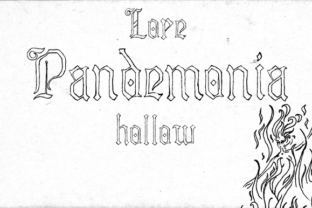
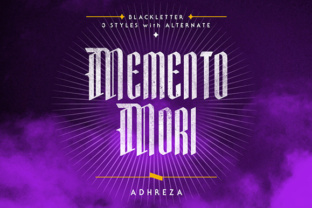
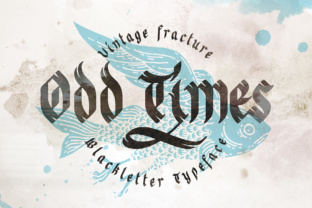
Traditional blackletter fonts are often associated with formality, law, or religious texts. They are structured, legible, and predictable. Black Madness, however, takes the skeleton of that tradition and introduces a layer of controlled disorder. The lines are not clean; they are jagged, organic, and sometimes overlapping. This abstraction makes the font feel alive, as if it were carved by hand rather than drawn by a vector tool.
The appeal lies in its ability to evoke emotion instantly. When a user sees Black Madness, they do not think "corporate memo." They think "artisan," "rock concert," "vintage poster," or "dark fantasy." It commands attention because it breaks the visual monotony of standard body text. However, this power comes with responsibility. Because the font is inherently complex, it requires a strategic approach to avoid visual clutter.
The Balance Between Legibility and Style
The primary challenge with any display font, especially one as dense as Black Madness, is readability. If used incorrectly, the text can become an illegible blob of ink. To keep your results clear and effective, you must treat Black Madness as a headline element, never as body copy. Use it for titles, logos, posters, and short impactful phrases. Let the surrounding elements breathe.
- Contrast is Key: Pair Black Madness with extremely simple, lightweight sans-serif fonts for supporting text. The stark difference between the heavy, chaotic title and the clean, orderly paragraph creates a sophisticated hierarchy.
- White Space: Give the letters room to expand. Do not crowd Black Madness against other elements. The negative space around the jagged edges is part of the design.
- Sizing Matters: This font loses its character when scaled down. Ensure it is large enough for the texture of the letters to be appreciated.
Creative Applications Across Industries
Black Madness is versatile, but its impact varies depending on the industry. Here is how different professionals can adapt this typeface for specific goals and audiences.
For Musicians and Event Marketers
If you are promoting a rock, metal, punk, or alternative music event, Black Madness is almost a default choice, but it can still be elevated. Instead of using it flatly, experiment with textures. Overlay the text with grunge effects, distressed paper backgrounds, or neon glow filters. For ticket designs or social media banners, use Black Madness for the band name or event title, creating a sense of energy and urgency. The abstract nature of the font mirrors the high-energy, unpredictable nature of live performances.
For Craft Brands and Artisans
Breweries, distilleries, leather goods makers, and blacksmiths often rely on heritage branding. While traditional blackletter might feel too stiff, Black Madness offers a rugged, handmade feel that resonates with consumers who value craftsmanship. Imagine a label for a small-batch craft beer or a logo for a custom knife maker. The irregular lines suggest that each product was made by human hands, not machines. This builds trust and authenticity with an audience that appreciates quality over mass production.
For Editors and Publishers
In the world of blogging and publishing, standing out in a feed is crucial. A blog post about true crime, gothic literature, or historical deep-dives can benefit immensely from a header set in Black Madness. It sets the tone before the reader even clicks. For educators teaching art history or typography, this font serves as a practical example of how historical styles can be deconstructed and modernized. It sparks curiosity and invites deeper exploration into the roots of typography.
Practical Tips for Implementation
To ensure your use of Black Madness feels intentional rather than accidental, follow these practical guidelines. Consistency and originality are your best tools.
- Maintain Color Harmony: Because the font is visually heavy, pair it with muted or monochromatic color palettes. Neon colors can work for music events, but for a more elegant look, stick to blacks, whites, greys, and deep earth tones like burgundy or forest green. Avoid clashing bright colors that compete with the intricate letterforms.
- Experiment with Kerning: Standard kerning settings may not suit the irregular shapes of Black Madness. Manually adjust the spacing between letters to prevent awkward collisions or excessive gaps. Tighter kerning can create a unified block of text, while wider kerning can add a sense of luxury or breathability.
- Use as Texture: Don’t limit yourself to text. Use individual letters or short words as graphical elements. Scatter them across a background, rotate them at odd angles, or repeat them to create a pattern. This approach treats the font as a design asset rather than just a method of communication.
- Test on Different Screens: Abstract fonts can render differently on various devices. Always preview your designs on mobile screens. If the details get lost on a small phone display, consider simplifying the layout or increasing the size of the typography.
Avoiding Common Pitfalls
Even the most creative minds can fall into traps when working with bold typefaces. One common mistake is overuse. Using Black Madness for every heading on a website will fatigue the viewer’s eye and make the content difficult to scan. Reserve it for moments of emphasis. Another pitfall is ignoring accessibility. Ensure that the contrast between the text and background is high enough for users with visual impairments. If the abstract lines make the characters hard to distinguish, simplify the background or lighten the text color.
Conclusion: Embracing the Imperfect
Black Madness represents a shift in design thinking—from perfection to personality. In a world of algorithmically generated content, introducing a font that feels human, flawed, and passionate can be a powerful differentiator. Whether you are designing a logo for a startup, a flyer for a local gig, or a cover for a self-published book, Black Madness offers a way to inject soul into your work. By respecting its complexity and pairing it with thoughtful design choices, you can create visuals that are not only seen but felt. Start experimenting, stay organized, and let the madness bring structure to your creativity.