Unlocking the Power of Anehena and Anehena: A Deep Dive into Abstract-Ornamental Typography
In the vast landscape of digital design, typography is often treated as a mere vessel for text—a functional tool to convey information clearly. However, for designers seeking to evoke emotion, establish atmosphere, or create a striking visual identity, typefaces are far more than just readable characters; they are artistic expressions in their own right. Among the myriad fonts available today, Anehena and Anehena, created by the Arterfak Project, stands out as a bold example of how abstract-ornamental design can transform a simple headline into a captivating piece of art.
If you are looking to add a touch of edgy sophistication to your projects, understanding the nuances of this strong blackletter font is essential. This article explores what makes Anehena unique, its practical applications, and why it might be the perfect addition to your design toolkit.
What is Anehena and Anehena?
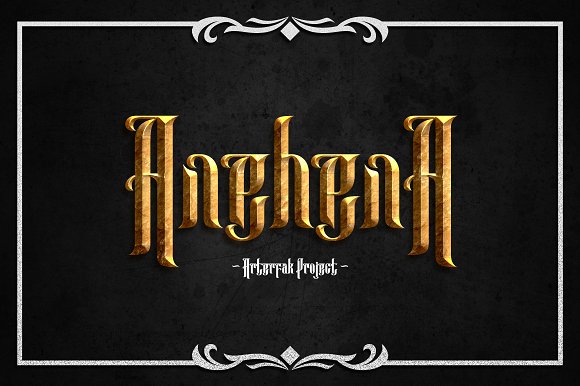
Anehena and Anehena is not your traditional serif or sans-serif font. It belongs to a specific category known as abstract-ornamental typefaces. While "blackletter" historically refers to scripts like Fraktur or Textura used in medieval manuscripts, modern interpretations like Anehena take those heavy, angular roots and inject them with an abstract, contemporary flair.
The font was developed by the Arterfak Project, a creative entity dedicated to pushing the boundaries of typographic design. The name "Anehena" itself suggests uniqueness and distinctiveness, which is reflected in the font’s character set. It is designed specifically for individuals with an abstract taste—designers who appreciate complexity, texture, and visual weight over minimalism.
At its core, Anehena is characterized by:
- Heavy Weight: The strokes are thick and imposing, demanding attention.
- Ornamental Details: Subtle decorative elements give the letters a hand-crafted, almost gothic feel without being overly literal.
- Abstract Geometry: The letterforms break away from strict readability rules, prioritizing aesthetic impact and structural intrigue.
The Two Variations: Regular and Italic
One of the most significant advantages of the Anehena family is its versatility within its own stylistic constraints. The font comes in two primary styles: Regular and Italic. While one might assume that such an ornamental font would lack flexibility, these two variations offer distinct moods that can be mixed and matched to create dynamic compositions.
The Regular Style
The regular style of Anehena is upright, stable, and authoritative. It serves as the anchor for any design project. When used in headlines, it commands respect and creates a sense of permanence. The vertical stress of the letters provides a solid foundation, making it ideal for titles where legibility, while secondary to style, still needs to be maintained.
The Italic Style
The italic variation introduces a dynamic slant that adds movement and energy to the text. In the context of blackletter and abstract fonts, italics often serve to soften the harshness of the regular style slightly, adding a layer of elegance or urgency. Using the italic version can help designers create contrast between headings and subheadings, or to highlight specific keywords within a larger body of stylized text.
Why Choose an Abstract-Ornamental Font?
You might wonder why a designer would choose a font like Anehena over a standard Arial or Helvetica. The answer lies in the power of visual hierarchy and brand personality.
In a world saturated with clean, minimalist designs, standing out requires deviation. Abstract-ornamental fonts act as visual noise-breakers. They signal to the viewer that the content associated with them is premium, artistic, or alternative. Here are a few reasons why this style is gaining traction in modern design:
- Emotional Impact: Blackletter and ornamental fonts evoke feelings of history, strength, mystery, or rebellion. If your brand wants to communicate heritage or edge, Anehena delivers this instantly.
- Memorability: Unique typefaces are more memorable than generic ones. A logo or poster using Anehena is likely to stick in the viewer’s mind longer due to its distinctive shape.
- Niche Appeal: For industries like music (especially rock, metal, or jazz), fashion, nightlife, and artisanal crafts, abstract fonts resonate deeply with the target audience’s cultural expectations.
Practical Applications in Design
While Anehena is powerful, it is not a "do-it-all" font. Its ornamental nature means it must be used strategically. Here are some of the best ways to utilize Anehena and Anehena in your projects:
Headlines and Titles
This is the sweet spot for Anehena. Whether you are designing a concert poster, a magazine cover, or a website banner, the font excels at grabbing attention. Because the letters are complex, they work best when there is plenty of white space around them. Let the font breathe.
Logos and Branding
For brands that want to project a strong, perhaps even intimidating or luxurious image, Anehena can form the basis of a custom logotype. The abstract nature allows for creative manipulation, where individual letters can be spaced widely or overlapped to create a unique symbol.
Display Text
In web design, using Anehena for short display texts—such as call-to-action buttons or section headers—can add a layer of sophistication. However, avoid using it for long paragraphs. The ornamental details become fatiguing to read over extended periods. Keep it short, keep it bold, and let it shine.
Editorial Design
Magazines and zines focused on art, culture, or alternative lifestyles often use blackletter fonts to frame quotes or pull-quotes. The contrast between the ornate Anehena and clean body text creates a beautiful typographic tension that guides the reader’s eye through the page.
Common Misunderstandings About Ornamental Fonts
When working with fonts like Anehena, beginners often make a few critical errors. Understanding these pitfalls will help you use the font more effectively.
Overuse Leads to Clutter
A common mistake is using ornamental fonts for entire blocks of text. The human eye struggles to process the complex shapes of blackletter and abstract fonts when they are dense. Always reserve these fonts for short bursts of text. If you need to convey detailed information, pair Anehena with a highly readable sans-serif or serif font for the body copy.
Lack of Contrast
Another issue is failing to provide enough contrast. Because Anehena is visually "heavy," it needs room to stand out. Placing it against a busy background or pairing it with another ornamental font will result in a chaotic design. Use simple backgrounds and clean companion fonts to let Anehena be the star.
Ignores Context
Finally, consider the context. Anehena has a specific vibe—it is dark, bold, and somewhat historical. Using it for a cheerful children’s birthday invitation or a corporate financial report would likely create a dissonance that confuses the audience. Ensure the font matches the tone and intent of your message.
Fitting Anehena into Modern Creativity
In the era of digital media, the demand for unique visual identities is higher than ever. Social media platforms, streaming services, and e-commerce sites all compete for user attention. In this crowded space, Anehena and Anehena offers a way to inject personality into digital spaces.
For instance, a coffee shop specializing in artisanal blends might use Anehena for its menu board to suggest tradition and quality. A gaming studio might use it for game titles to imply epic stakes and fantasy worlds. Even in education, instructors teaching graphic design can use Anehena as a case study for how typeface selection influences perception.
The font bridges the gap between the past and the present. It takes the ancient aesthetics of blackletter and adapts them for the modern screen, proving that old styles can have new life when interpreted correctly.
Conclusion
Anehena and Anehena by the Arterfak Project is more than just a font; it is a statement. It caters to those who believe that typography should be experienced, not just read. With its strong blackletter roots, abstract-ornamental details, and versatile regular and italic styles, it offers designers a powerful tool for creating impactful visuals.
Whether you are designing a logo, a poster, or a website header, remember to use Anehena with intention. Give it space, pair it wisely, and let its unique character speak for itself. By mastering the use of abstract-ornamental fonts, you elevate your design from functional to unforgettable.