Shodo Gothic: Bridging Western Blackletter and Asian Calligraphy in Modern Design
In an era where digital interfaces dominate our visual landscape, the demand for typography that feels both historic and contemporary has never been higher. Shodo Gothic emerges as a compelling solution to this design paradox. It is not merely a font; it is a typographic fusion that marries the structural rigidity of Western blackletter with the fluid, expressive strokes of traditional Asian calligraphy. For professionals, creators, and business owners navigating the complexities of brand identity, understanding the nuances of Shodo Gothic offers more than just aesthetic appeal—it provides a strategic tool for communication.
The relevance of Shodo Gothic lies in its ability to resolve the tension between heritage and modernity. In a market saturated with minimalist sans-serifs and overly decorative scripts, Shodo Gothic occupies a unique middle ground. It speaks to a growing consumer desire for authenticity and craftsmanship, even within digital products. By combining the weight and authority of gothic script with the organic flow of shodo (Japanese brush writing), this typeface allows designers to convey depth, culture, and precision simultaneously.
The Anatomy of a Fusion: Understanding Shodo Gothic
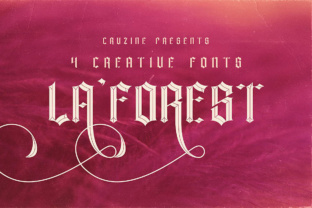
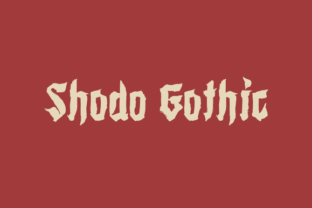
To appreciate why Shodo Gothic is gaining traction among creative professionals, one must first dissect what makes it distinct. The term itself describes a hybrid morphology. On one side, it retains the angular, dense structures characteristic of Western blackletter or Old English styles. These forms are historically associated with tradition, formality, and institutional authority. On the other side, the execution incorporates the variable line weights and sweeping curves found in Asian calligraphy. This duality creates a visual rhythm that feels both grounded and dynamic.
- Structural Integrity: Like its Western counterparts, Shodo Gothic maintains legibility through strong vertical stems and clear counter-spaces, ensuring it remains functional for body text or large headlines.
- Expressive Flourishes: Borrowing from brush techniques, the terminals often taper or flare, introducing a human touch that counters the coldness of purely geometric fonts.
- Cultural Synthesis: The blend avoids cultural appropriation by respecting the technical origins of both traditions, resulting in a neutral yet rich aesthetic suitable for global audiences.
This combination is particularly relevant for brands operating in the lifestyle, culinary, or arts sectors. A restaurant aiming to evoke the sophistication of high-end dining might find standard serif fonts too conservative. Conversely, a tech startup might find blackletter too archaic. Shodo Gothic offers a balanced alternative that signals quality without being bound by a single cultural narrative.
Evolving Trends in Typography and User Expectations
The shift toward Shodo Gothic reflects broader changes in user expectations and digital consumption habits. As users spend more time on screens, there is a growing fatigue with uniform, mass-produced visuals. People crave content that feels curated and intentional. This trend, often referred to as "digital craft," emphasizes the human hand behind the pixel. Shodo Gothic caters directly to this desire by mimicking the imperfections and variations of hand-drawn lettering while maintaining the scalability required for web and mobile applications.
Furthermore, the rise of cross-cultural collaboration in business has made diverse typographic languages more accessible. Entrepreneurs and marketers are no longer confined to Western-centric design standards. There is a pragmatic recognition that incorporating elements of Asian aesthetics can broaden a brand’s appeal, especially as global supply chains and remote workforces become the norm. Shodo Gothic serves as a bridge, allowing brands to signal inclusivity and global awareness without relying on clichés.
- Authenticity over Perfection: Modern consumers respond better to designs that show texture and character. Shodo Gothic’s brush-like edges provide this texture naturally.
- Niche Differentiation: In crowded markets, standing out requires distinctive visual assets. Using a hybrid typeface helps brands carve out a unique space.
- Emotional Resonance: The warmth of calligraphic strokes can soften the perception of corporate entities, making them appear more approachable and trustworthy.
Practical Applications for Professionals and Creators
For freelancers, educators, and small business owners, the practical implications of adopting Shodo Gothic are significant. It is not limited to logo design; its versatility extends to editorial layouts, packaging, and digital marketing materials. However, successful implementation requires a strategic approach to hierarchy and contrast.
Consider the case of a boutique coffee roaster. To communicate the artisanal nature of their product, they might use Shodo Gothic for the primary branding elements. The heavy, structured parts of the font convey the robustness of the coffee, while the calligraphic flourishes hint at the care taken in the roasting process. When paired with a clean, neutral sans-serif for informational text, the result is a cohesive system that balances emotion with clarity.
In the realm of education and publishing, Shodo Gothic can enhance engagement. Textbooks or articles discussing history, art, or international relations benefit from a typographic voice that feels authoritative yet inviting. Educators can use it to highlight key concepts or section headers, creating visual anchors that help readers navigate complex information. The font’s inherent elegance lends credibility to academic or professional content without appearing stuffy.
Marketers should also consider the context of social media. Visual platforms prioritize immediate impact. A headline set in Shodo Gothic captures attention faster than standard fonts due to its unique silhouette. However, restraint is key. Overuse can lead to visual clutter. Best practices suggest using Shodo Gothic sparingly—for titles, quotes, or short phrases—while relying on highly readable fonts for longer passages. This ensures that the message remains accessible across different devices and screen sizes.
Strategic Considerations for Business Implementation
Integrating Shodo Gothic into a brand identity requires more than just selecting a font file. It involves aligning the typeface with the overall brand strategy. Businesses must ask whether the tone of Shodo Gothic matches their values. If a company prides itself on speed, efficiency, and minimalism, a heavy, ornate font might send mixed signals. Conversely, if the brand focuses on craftsmanship, heritage, or luxury, Shodo Gothic becomes a powerful ally.
One critical aspect is accessibility. While Shodo Gothic is visually striking, designers must ensure sufficient contrast and spacing to maintain readability for all users, including those with visual impairments. Testing the font at various sizes is essential. What looks impressive on a billboard may become illegible on a mobile notification. Professional creators should prepare multiple weights or styles if available, allowing for flexibility in different contexts.
Additionally, licensing and legal considerations cannot be overlooked. As a specialized typeface, Shodo Gothic may come with specific usage rights depending on the foundry. Businesses must verify that their intended use—whether for print, web, or merchandise—falls within the licensed scope. Ignoring these details can lead to costly legal issues down the line. Consulting with a legal expert or purchasing comprehensive licenses ensures that the creative investment is protected.
The Future of Hybrid Typography
Looking ahead, the popularity of Shodo Gothic is likely to inspire further experimentation in hybrid typography. As design tools become more sophisticated, we can expect to see more fonts that blend disparate traditions. This evolution reflects a world that is increasingly interconnected, where boundaries between cultures and disciplines are becoming blurred. For professionals, staying informed about these trends is not just about keeping up with fashion; it is about anticipating how audiences will perceive visual communication in the coming years.
The success of Shodo Gothic demonstrates that there is room for complexity in design. Users are capable of appreciating nuanced aesthetics when presented clearly. By embracing fonts that tell a deeper story, businesses can build stronger emotional connections with their customers. Whether you are a blogger seeking a distinctive voice, a freelancer pitching a creative project, or a business owner rebranding your company, considering the cultural and structural layers of Shodo Gothic can elevate your work from ordinary to exceptional.
In conclusion, Shodo Gothic represents more than a stylistic choice; it is a reflection of a matured design sensibility. It acknowledges the value of history while embracing the demands of modern technology. For those willing to explore its potential, it offers a pathway to create designs that are not only beautiful but also meaningful and effective. As we continue to navigate a visually noisy world, the quiet confidence of a well-crafted hybrid typeface like Shodo Gothic stands out as a beacon of thoughtful design.