Evaluating Groovy Kids: A Practical Guide to Retro Display Typography for Modern Projects
In the landscape of digital typography, finding a typeface that balances nostalgia with contemporary legibility is often a challenge. Designers frequently seek fonts that evoke specific eras without sacrificing readability or versatility. Groovy Kids has emerged as a notable option in this space, offering a distinct blend of retro aesthetics and modern playfulness. This evaluation explores the characteristics, use cases, and tradeoffs associated with Groovy Kids, helping creators determine if it aligns with their specific design needs.
Understanding the Typographic Identity
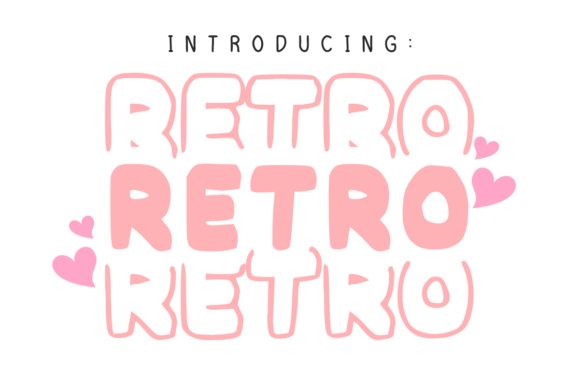
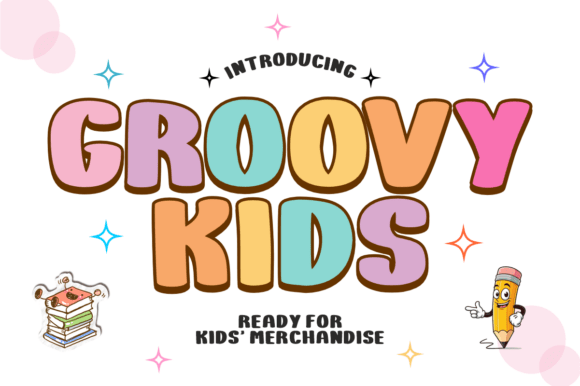
Groovy Kids is classified as a bold, cheerful display font. Its visual language is defined by chunky, rounded characters and a vintage silhouette that immediately signals fun and energy. Unlike serif or sans-serif fonts that prioritize neutrality, Groovy Kids is designed to be a statement piece. The thick strokes and clean outlines contribute to its high impact, making it suitable for headlines, logos, and short bursts of text rather than body copy.
The font’s aesthetic draws heavily from mid-century modern and 1970s design trends, yet it avoids the pitfalls of being purely derivative. By incorporating a modern twist, it remains relevant for current audiences. For professionals working on projects that require a handcrafted look, Groovy Kids provides a sense of warmth and approachability that geometric or rigid typefaces lack. This makes it particularly effective in contexts where emotional connection and immediate visual engagement are priorities.
Key Visual Characteristics
- Rounded Geometry: The soft edges reduce visual harshness, creating a friendly and inviting tone.
- Bold Weight: The substantial stroke width ensures visibility even at smaller sizes or from a distance.
- Vintage Silhouette: The overall shape references classic retro styles, appealing to nostalgic sensibilities.
- High Legibility: Despite its decorative nature, the clean outlines maintain clarity, which is crucial for commercial applications.
Comparing Groovy Kids to Alternative Display Styles
When selecting a font for a creative project, designers often compare options based on style category. Groovy Kids sits at the intersection of several popular typographic trends: retro revival, playful script alternatives, and chunky sans-serifs. Understanding these comparisons helps clarify where Groovy Kids fits within a broader design ecosystem.
vs. Traditional Handwritten Scripts
One common alternative to Groovy Kids is traditional handwritten or brush script fonts. While scripts offer elegance and fluidity, they can sometimes suffer from poor legibility, especially when used in all caps or at large scales. Groovy Kids offers a similar sense of human touch but with the structural integrity of a block letter. This makes it more reliable for applications requiring quick reading, such as signage or social media graphics, where a script might be too stylized to decode instantly.
vs. Standard Geometric Sans-Serifs
Geometric sans-serifs are staples in modern branding due to their cleanliness and neutrality. However, they can feel cold or corporate. Groovy Kids provides an energetic alternative that retains simplicity but injects personality. For brands aiming to appear youthful, innovative, or community-focused, Groovy Kids serves as a stronger emotional hook than a standard geometric font. The tradeoff is that Groovy Kids demands more attention; it cannot serve as background text or subtle UI elements in the way a neutral sans-serif can.
vs. Other Retro-Inspired Fonts
The market contains numerous fonts inspired by the 1970s, ranging from psychedelic swirls to stiff slab serifs. Many retro fonts lean too heavily into novelty, risking looking dated or cluttered. Groovy Kids distinguishes itself through its balanced proportions. It avoids excessive decoration, focusing instead on form and weight. This restraint allows it to integrate more seamlessly into contemporary layouts, bridging the gap between vintage charm and modern minimalism.
Ideal Use Cases and Applications
The versatility of Groovy Kids lies in its ability to adapt to various mediums while maintaining its core identity. Below are specific scenarios where this font excels, along with considerations for each application.
Children’s Merchandise and Apparel
For designers creating products for children, such as t-shirts, tote bags, or baby gifts, Groovy Kids offers a safe yet stylish choice. The rounded shapes are inherently child-friendly, avoiding any sharp or aggressive connotations. When used on apparel, the bold weight ensures the design stands out against fabric textures. However, designers should consider the scalability of the font; very small prints may lose detail if the character spacing is too tight.
Retro-Themed Events and Invitations
Party invitations, particularly those with a 70s or 80s theme, benefit significantly from the nostalgic cues provided by Groovy Kids. Whether for birthdays, family reunions, or themed dinners, the font sets the tone immediately. In invitation design, it works best for the main title or date, paired with a simpler secondary font for logistical details. This hierarchy prevents visual fatigue and ensures guests can easily find essential information.
Educational Materials and Classroom Decor
School posters, classroom labels, and educational worksheets require fonts that are engaging but not distracting. Groovy Kids captures attention without overwhelming young readers. Its clear forms support early literacy development by reinforcing recognizable letter shapes. Educators and school administrators may find it useful for creating positive, encouraging environments through visual communication. It is less suited for dense instructional text, where standard academic fonts remain preferable.
Crafting and Vinyl Decals
A significant advantage of Groovy Kids is its compatibility with cutting machines like Cricut and Silhouette. The uniform thickness and smooth curves make it ideal for vinyl decals, stickers, and magnets. Complex fonts with thin lines or intricate details can be difficult to weed (remove excess material) and apply. Groovy Kids’ robust structure simplifies this process, reducing errors and improving the final product’s quality. This makes it a practical choice for hobbyists and small business owners producing custom goods.
Limitations and Decision Factors
No single typeface is suitable for every project. Recognizing the limitations of Groovy Kids is essential for making informed design decisions.
Readability Constraints
As a display font, Groovy Kids is not intended for long-form content. Using it for paragraphs of text will hinder readability and increase cognitive load for the viewer. It should be reserved for headings, titles, slogans, and short phrases. If a project requires extensive body text, it must be paired with a highly legible secondary font.
Niche Appeal
The strong retro vibe means Groovy Kids may clash with brands seeking a futuristic, minimalist, or ultra-professional image. Corporate law firms, medical institutions, or tech startups focused on precision might find the font too casual or whimsical. Evaluating the brand voice is critical; if the desired tone is serious and authoritative, Groovy Kids may undermine credibility.
Licensing and Commercial Use
Designers must verify licensing terms before using Groovy Kids in commercial products. Some fonts allow personal use but require separate licenses for merchandise sales. Given its popularity in crafting and apparel, understanding these restrictions prevents legal issues. Always check the end-user license agreement (EULA) to ensure compliance, especially when selling physical goods featuring the font.
Conclusion: Is Groovy Kids the Right Fit?
Groovy Kids represents a thoughtful synthesis of retro charm and modern functionality. Its strengths lie in its ability to convey energy, nostalgia, and friendliness without compromising on legibility. For projects targeting families, children, or audiences appreciating vintage aesthetics, it offers a compelling visual solution. Its compatibility with crafting tools further expands its utility for makers and small businesses.
However, its effectiveness depends on context. It is not a universal replacement for standard typography but rather a specialized tool for specific emotional and stylistic goals. Designers should weigh the need for high-impact, playful messaging against the requirement for neutrality and density. By carefully considering the audience, medium, and brand identity, creators can determine whether Groovy Kids enhances their project or detracts from its core message. In the right hands, it brings a vibrant, adventurous spirit to design work that resonates across generations.