Lumberjack: A Modern Gothic Typeface for Bold Branding
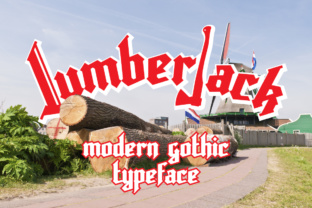
In a digital landscape saturated with clean, minimalist sans-serifs and overly ornate script fonts, finding a typeface that commands attention without sacrificing readability is a constant challenge. Enter Lumberjack, a modern gothic typeface designed to bring weight, character, and a distinct visual voice to your projects. Unlike traditional serif fonts that evoke history or delicate scripts that suggest elegance, Lumberjack occupies a unique middle ground. It is sturdy, approachable, and undeniably strong, making it an excellent choice for creators who need their typography to stand out in a crowded feed.
This font contains only Latin characters, which streamlines the selection process for designers working primarily in English-speaking markets or regions that utilize the Latin alphabet. By focusing on this specific character set, the design can prioritize precision and aesthetic cohesion over broad linguistic support, resulting in a tighter kerning and more refined glyph shapes. For professionals ranging from freelance graphic designers to marketing managers at established brands, understanding the specific utility of a font like Lumberjack is crucial for maintaining visual consistency and brand integrity.
Understanding the Design DNA of Lumberjack
To appreciate why Lumberjack works, you have to look at its structural roots. As a modern gothic typeface, it belongs to the broader family of sans-serif designs but distinguishes itself through its robust proportions and slightly rugged aesthetic. The term "gothic" in typography often refers to blackletter styles, but in the context of modern usage, it typically denotes heavy, bold sans-serifs that feel industrial and grounded. Lumberjack leans into this interpretation, offering thick strokes and open apertures that enhance legibility even at smaller sizes or lower resolutions.
The strength of Lumberjack lies in its versatility within the display category. While it might not be the first choice for setting long paragraphs of body text—where lighter weights and higher x-heights usually perform better—it excels as a headline font. Its bold presence allows it to anchor layouts, drawing the eye immediately to key messages. This makes it particularly effective for:
- Headlines and Titles: Grabbing attention on landing pages, blog posts, or social media graphics.
- Posters and Flyers: Creating high-impact visual hierarchy for events or product launches.
- Logo Design: Providing a solid foundation for brands that want to convey reliability and strength.
Furthermore, the limited character set (Latin only) means that developers and designers do not need to worry about fallback fonts breaking the layout when non-Latin characters are inadvertently included. This reduces technical debt in web development and ensures that the visual intent remains intact across different platforms and devices.
Practical Applications Across Industries
The utility of Lumberjack extends far beyond simple decoration. In today’s experience-driven economy, typography plays a pivotal role in how users perceive a brand’s personality. Here is how different professional groups can leverage this typeface for tangible results.
For Marketers and Content Creators
Attention spans are shorter than ever. When crafting social media campaigns or email newsletters, you have milliseconds to capture interest. Using Lumberjack for subject lines or campaign headers can significantly increase click-through rates by adding visual weight that contrasts with standard body copy. For bloggers and publishers, using this font sparingly for pull quotes or section dividers can break up dense text blocks, improving readability and keeping readers engaged longer. The rugged yet modern feel aligns well with industries such as outdoor gear, craft beverages, automotive services, and artisanal goods, where authenticity and craftsmanship are key selling points.
For Entrepreneurs and Small Business Owners
Building a brand identity from scratch is expensive and time-consuming. Choosing a distinctive typeface like Lumberjack can serve as a cost-effective way to establish a memorable visual identity. Imagine a local coffee shop, a boutique gym, or a consulting firm using Lumberjack for their signage and business cards. The font conveys stability and trustworthiness without feeling stiff or corporate. It suggests that the business is hands-on and real. For entrepreneurs, this emotional connection can translate directly into customer loyalty.
For Educators and Presenters
Education relies heavily on clear communication. While body text should remain neutral, titles and key concepts benefit from emphasis. Educators creating slide decks, handouts, or online course materials can use Lumberjack to highlight critical terms or module titles. This helps students visually categorize information, aiding in retention and comprehension. The clarity of the Latin glyphs ensures that educational content remains accessible to a wide audience.
Evaluating Usability and User Experience
When selecting a typeface, usability is just as important as aesthetics. Lumberjack offers several practical benefits that contribute to a positive user experience (UX). First, its high contrast between the bold letters and the surrounding white space creates a natural rhythm that guides the reader’s eye. This is essential for web design, where guiding user flow is critical for conversion optimization.
Additionally, the font’s modern gothic style pairs exceptionally well with minimalist design principles. Because Lumberjack carries so much visual weight, it allows designers to use simpler backgrounds and fewer graphical elements. This reduction in visual clutter can improve page load times and overall site performance, which are key factors in SEO and user satisfaction. A cleaner design also enhances accessibility, as high-contrast text is easier for users with visual impairments to read.
However, it is important to note that while Lumberjack is powerful, it requires restraint. Overusing bold, heavy fonts can lead to visual fatigue. The best results come from pairing Lumberjack with lighter, more neutral sans-serifs or serifs for body text. This combination creates a balanced typographic hierarchy that is both striking and comfortable to read. For example, using Lumberjack for H1 and H2 tags while relying on a light sans-serif for paragraphs creates a professional and polished look.
Strategic Considerations for Implementation
Before integrating Lumberjack into your workflow, consider the following practical aspects to ensure successful implementation:
- Context Matters: Ensure the font aligns with your brand’s values. Lumberjack is perfect for brands wanting to appear strong, reliable, and modern, but may clash with brands aiming for delicacy or luxury.
- Pairing Strategy: Test different font pairings. A light geometric sans-serif often complements the heaviness of Lumberjack well, creating a dynamic contrast.
- Scalability: Check how the font renders at various sizes. Display fonts can sometimes lose detail or become pixelated when scaled down too small, so always preview your designs on mobile devices.
- Licensing: Since Lumberjack contains only Latin characters, verify that your license covers all intended uses, including web embedding, print, and commercial merchandise. Understanding the licensing terms prevents legal issues down the line.
Ultimately, Lumberjack is more than just a font; it is a tool for communication. By choosing it intentionally, you signal confidence and clarity to your audience. Whether you are redesigning a website, launching a new product, or simply updating your internal documents, incorporating a typeface with such distinct character can elevate your work from ordinary to exceptional. In a world of noise, giving your words a strong voice is one of the most effective ways to be heard.