Lion of Antwerp: A Typographic Tribute to Gerard Leeu
In the world of digital typography, few typefaces carry the weight of history quite like Lion of Antwerp. This is not merely a collection of glyphs designed for aesthetic appeal; it is a carefully reconstructed artifact based on the original output of Gerard Leeu, one of the most significant early printers in Northern Europe. For designers, historians, and creators who value authenticity, this font offers a rare opportunity to bridge the gap between the fifteenth century and modern digital workflows.
The story behind the type begins with Gerard Leeu himself. Based initially in Gouda and later moving to Antwerp, Leeu was a prolific publisher whose work helped spread knowledge across Europe. His fate ended tragically in 1492 during an altercation with one of his staff members, but his typographic legacy endured. The Lion of Antwerp font pays direct homage to his surname and his craft, capturing the distinct visual rhythm of incunabula—books printed before 1501—with remarkable precision.
Understanding the Historical Context
To appreciate why this font matters, one must understand the era it replicates. During the late 15th century, the printing press was revolutionizing communication. Fonts were not standardized as they are today; each printer developed their own style based on available metal punches and personal preference. Gerard Leeu’s types were known for their clarity and robustness, characteristics that made them highly legible even at small sizes—a crucial feature when paper was expensive and space was at a premium.
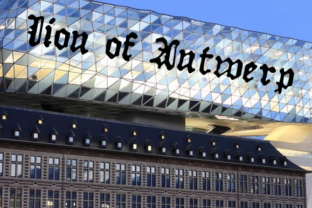
Lion of Antwerp captures these specific traits. It does not attempt to mimic the generic "Blackletter" styles often associated with medieval manuscripts. Instead, it reflects the humanist influences creeping into Northern European printing at the time. The letterforms possess a slight irregularity that feels hand-crafted, yet they maintain the structural integrity required for high-volume production. This balance makes the font uniquely versatile for projects requiring historical accuracy without sacrificing readability.
The Significance of the Name
The choice of name, Lion of Antwerp, serves as a nod to Gerard’s surname while also referencing the heraldic symbol of the city where he spent his final years. Antwerp was a bustling hub of trade and culture, and its lion emblem represents strength and resilience. By associating the font with this symbol, the design team underscores the durability and lasting impact of Leeu’s work. It is a subtle reminder that good design, much like a well-set page from 1492, stands the test of time.
Technical Specifications and Format Flexibility
For modern users, historical accuracy means little if the tool is difficult to use. Fortunately, Lion of Antwerp is built with contemporary needs in mind. The package includes both TTF (TrueType Font) and OTF (OpenType Font) formats, ensuring compatibility across a wide range of operating systems and design software. Whether you are working on a macOS workstation, a Windows PC, or a Linux server, you can integrate this typeface seamlessly into your workflow.
The font is available in two primary weights: regular and bold. This duality allows for clear hierarchy in layouts, enabling designers to distinguish between headings and body text without introducing a second typeface. The bold weight, in particular, retains the character of the original prints, offering a strong visual anchor that commands attention without appearing heavy-handed.
Furthermore, the font boasts a full character map containing nearly 600 defined characters. This extensive repertoire goes beyond standard Latin alphabet requirements. It includes:
- Extended punctuation marks necessary for scholarly citations and footnotes.
- Special ligatures and discretionary alternates that enhance the aesthetic quality of long passages.
- Support for various accented characters, making it suitable for multilingual publications involving Western European languages.
This comprehensive character set reduces the need for workarounds or external plugins, streamlining the design process for publishers and editors.
Practical Applications for Modern Professionals
Who benefits most from using Lion of Antwerp? While it might seem niche, the font has practical applications for a diverse audience, including marketers, educators, freelancers, and small business owners.
Enhancing Brand Identity with Heritage
For brands that wish to convey trust, tradition, and expertise, this font is an excellent asset. Imagine a law firm specializing in heritage assets, a boutique publishing house, or a artisanal brewery emphasizing its long-standing recipes. Using Lion of Antwerp in branding materials instantly communicates a connection to history and craftsmanship. It suggests that the brand values substance over fleeting trends.
Consider a small business owner launching a new line of leather goods. By incorporating this typeface into packaging labels or website headers, the entrepreneur creates a tactile sense of quality. The visual texture of the letters mirrors the grain of leather, creating a cohesive sensory experience for the customer.
Educational Materials and Academic Publishing
Educators and academic publishers often struggle to balance rigor with engagement. Textbooks on history, literature, or art benefit significantly from typefaces that reflect the subject matter. When discussing Renaissance literature or early modern history, using Lion of Antwerp helps immerse students in the period being studied. It acts as a visual cue that reinforces the content, aiding retention and interest.
Moreover, the font’s high legibility ensures that even complex texts remain accessible. Unlike more ornate blackletter fonts that can strain the eye, Lion of Antwerp strikes a balance. It is distinctive enough to be interesting but clear enough to read comfortably for extended periods.
Creative Projects and Storytelling
Bloggers and content creators looking to stand out in a crowded digital landscape can use this font to add unique flair to their posts. Headers, pull quotes, and section dividers styled with Lion of Antwerp break up text blocks effectively, guiding the reader’s eye through the narrative. For freelance graphic designers, having access to such a historically grounded font expands their toolkit, allowing them to take on projects that require specific stylistic directions.
Considerations and Best Practices
While Lion of Antwerp is a powerful tool, it is essential to use it judiciously. Its strong historical character may clash with modern, minimalist designs that prioritize clean lines and sans-serif aesthetics. It is best suited for contexts where warmth, tradition, or artistic expression is desired.
When pairing this font with others, consider complementary typefaces that do not compete for attention. A simple, neutral sans-serif can serve as an effective contrast to the serif details of Lion of Antwerp, creating a dynamic interplay between old and new. Avoid pairing it with other decorative or script fonts, as this can lead to visual clutter and reduce readability.
Additionally, users should be mindful of spacing and kerning. As with any display typeface, adjusting tracking slightly wider than usual can enhance the elegance of headlines. In body text, ensure that line lengths are optimized to prevent eye fatigue, especially since the varied stroke widths of the font can create subtle visual rhythms that demand careful layout management.
Conclusion
Lion of Antwerp is more than just a font; it is a portal to the past, rendered in digital form. By honoring the legacy of Gerard Leeu, it provides designers and communicators with a versatile, historically rich tool. Whether you are enhancing a brand’s heritage, enriching educational content, or simply adding a touch of classical beauty to your next project, this font offers tangible benefits. Its combination of historical fidelity, technical flexibility, and aesthetic charm makes it a valuable addition to any professional’s typographic library. Embrace the strength of the lion and the wisdom of the printer, and let your designs speak with the authority of centuries past.