AZ Wings Font Evaluation
In the landscape of digital typography, finding a typeface that balances historical homage with contemporary functionality is a nuanced challenge. AZ Wings has emerged as a distinctive option for designers and creatives seeking a specific aesthetic: one rooted in skate culture but refined for modern application. This evaluation explores the characteristics, use cases, and practical considerations of AZ Wings, helping you determine if it aligns with your project requirements.
Origins and Design Philosophy
To understand the utility of AZ Wings, one must first examine its design DNA. The font was inspired by an old Gull Wings skateboard truck logo, a staple of 1970s and 1980s surf and skate culture. However, rather than being a direct replica or a vintage restoration, AZ Wings applies a modern twist to these classic elements.
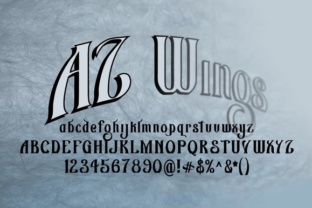
The result is a display typeface that retains the rugged, hand-drawn feel of retro graphics while incorporating cleaner lines and more consistent spacing suitable for high-resolution screens. This hybrid approach allows the font to evoke nostalgia without appearing dated. For users researching fonts based on thematic relevance, this duality—retro inspiration meets modern execution—is a primary selling point. It offers the "cool factor" associated with vintage subcultures while maintaining the legibility required for professional design work.
Visual Characteristics and Aesthetic Appeal
AZ Wings is best described as a beautiful font, characterized by its dynamic curves and bold presence. Unlike geometric sans-serifs or rigid serifs, AZ Wings relies on organic shapes that suggest motion and energy. The letterforms often feature exaggerated terminals and varying stroke weights, which give the text a sense of personality and attitude.
When evaluating visual appeal, consider the following traits:
- Dynamic Energy: The font captures the kinetic spirit of skateboarding culture, making it ideal for projects that need to convey action, youth, or rebellion.
- Retro Modernism: While it references past eras, the clean execution ensures it does not clash with minimalist or modernist design trends.
- High Contrast: The variation in line weight creates strong visual hierarchy, allowing headlines to stand out prominently against simpler backgrounds.
For readers comparing AZ Wings to other display fonts, its unique positioning lies in its ability to bridge the gap between streetwear aesthetics and commercial branding. It is not merely a novelty font; it possesses enough structural integrity to be used in serious design contexts where brand identity is paramount.
Ideal Use Cases and Strong Fits
Determining whether AZ Wings is right for your project depends heavily on the context. This typeface is not designed for body text or dense paragraphs. Its strength lies in short-form applications where impact is prioritized over readability. Below are scenarios where AZ Wings is a strong fit:
- Brand Identity for Lifestyle Brands: Companies operating in the apparel, footwear, or accessory sectors that target younger demographics may find AZ Wings effective for logos and packaging. The font’s association with skate culture can subtly communicate values of authenticity and non-conformity.
- Event Posters and Flyers: For concerts, festivals, or sports events, the energetic nature of AZ Wings draws attention. Its visual weight ensures that key information (dates, locations, artist names) grabs the viewer’s eye immediately.
- Social Media Graphics: In environments where content competes for attention in a fast-scrolling feed, bold display fonts perform well. AZ Wings can serve as a focal point in Instagram stories or YouTube thumbnails, adding a layer of stylistic flair that standard fonts lack.
- Merchandise Design: T-shirts, stickers, and hats benefit from the graphic quality of AZ Wings. The font translates well to print and embroidery, maintaining its character even when scaled or simplified.
Tradeoffs and Limitations
No typeface is universally applicable, and AZ Wings comes with specific limitations that designers must weigh during the selection process. Understanding these tradeoffs is crucial for avoiding misapplication.
Legibility Constraints: Due to its stylized nature, AZ Wings should never be used for long-form text. Attempting to set paragraphs in this font will result in reader fatigue and reduced comprehension. It is strictly a display font, meant for headlines, titles, and short phrases.
Niche Audience Association: While the retro-modern twist broadens its appeal, the font’s roots in skate culture mean it carries specific connotations. If your brand aims for corporate professionalism, medical reliability, or financial stability, AZ Wings may send the wrong message. It suggests informality and edge, which might conflict with brands requiring a tone of seriousness or neutrality.
Versatility Challenges: Because AZ Wings is so distinct, pairing it with complementary fonts requires care. Simple, neutral sans-serifs or clean serifs usually work best to balance its complexity. Over-pairing with other decorative fonts can create visual clutter and dilute the intended impact.
Alternatives and Comparison Points
If AZ Wings does not fully meet your needs, several alternatives exist depending on the specific attribute you are seeking. Evaluating these options helps refine your decision-making process.
For Pure Retro Vibes: If you prefer a more authentic vintage look without the modern refinement, consider exploring true retro revival fonts like Cooper Black or various 1970s script fonts. These offer a deeper historical accuracy but may lack the crispness of AZ Wings.
For Broader Commercial Use: If the skate culture association is too narrow, look toward generic display fonts with similar bold characteristics. Fonts like Bebas Neue or Impact provide strong visual presence without cultural baggage, offering greater versatility across different industries.
For Hand-Drawn Authenticity: If you like the organic feel of AZ Wings but want something less structured, explore brush script fonts. These emphasize human touch and imperfection, which can be advantageous for artisanal or craft-focused brands.
Practical Decision-Making Insights
When selecting AZ Wings, ask yourself three critical questions to ensure alignment with your goals:
- Does the tone match? Does your brand voice allow for the edgy, youthful energy that AZ Wings conveys? If your communication style is formal, this font may undermine your credibility.
- Is the scale appropriate? Are you using this font for large, impactful displays rather than small, readable text? Ensure the medium supports the font’s strengths.
- Is the audience receptive? Will your target demographic respond positively to the cultural cues embedded in the design? Understanding your audience’s cultural literacy is key to effective visual communication.
By objectively assessing these factors, you can move beyond initial aesthetic attraction and make a strategic choice. AZ Wings is a powerful tool for specific creative endeavors, offering a blend of nostalgia and modernity that few other fonts provide. However, its effectiveness hinges on proper context and application. When used judiciously, it can elevate a design from ordinary to memorable. When used indiscriminately, it risks appearing gimmicky or inappropriate.
Ultimately, the value of AZ Wings lies in its specificity. It is not a jack-of-all-trades typeface, but rather a specialist instrument. For designers working on projects that demand character, history, and a touch of rebellious spirit, AZ Wings stands out as a compelling and beautiful option. Careful consideration of its origins and limitations will ensure it serves your project effectively, enhancing the overall narrative without overwhelming it.