Cindo Kato: Elevating Designs with the Grace of Floral Tradition
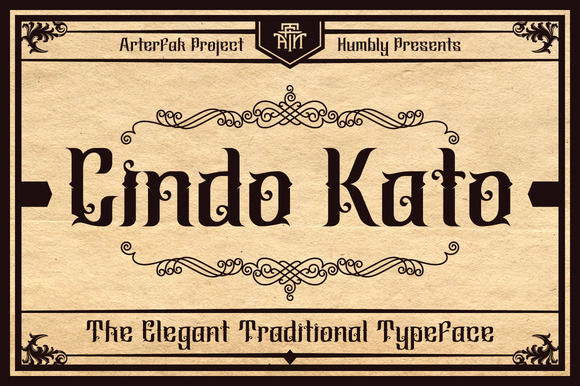
In a digital landscape often dominated by stark minimalism and rigid geometric sans-serifs, there is a quiet but powerful movement toward typefaces that breathe. Cindo Kato stands at the forefront of this aesthetic shift. It is not merely a font; it is an elegant traditional typeface inspired by the intricate, organic beauty of floral culture. For designers, artists, and brand strategists looking to inject warmth, heritage, and sophistication into their visual narratives, Cindo Kato offers a distinctive voice that commands attention without shouting.
The appeal of Cindo Kato lies in its ability to bridge the gap between historical elegance and modern readability. Its letterforms are crafted with a sensitivity to the curves and flourishes found in nature, yet they remain structured enough for practical application. Whether you are crafting a high-end wedding invitation or rebranding a boutique skincare line, understanding how to leverage this typeface can transform a good design into a memorable experience.
Why Floral-Inspired Typography Matters Today
Before diving into specific use cases, it is worth understanding why a floral-inspired typeface like Cindo Kato resonates with contemporary audiences. In an era where consumers are increasingly seeking authenticity and human connection, sterile corporate fonts can feel distant. A typeface rooted in natural imagery evokes feelings of growth, care, and organic quality.
Cindo Kato captures this essence through its delicate serifs and flowing terminals. It suggests a hand-crafted quality, even when used in digital formats. This subtle association with craftsmanship allows brands to position themselves as premium, thoughtful, and deeply connected to their roots. For the audience aged 20–50, who often value sustainability and artisanal quality over mass production, this typographic choice signals that a brand cares about detail.
Real-World Applications: Where Cindo Kato Shines
The versatility of Cindo Kato extends across various mediums, but it truly excels in contexts where emotional resonance is key. Here is how different industries and creatives are utilizing this typeface to enhance their work.
Event Design and Stationery
Weddings, galas, and formal celebrations have long relied on script and serif fonts to convey luxury. However, many standard scripts can feel cliché or difficult to read at small sizes. Cindo Kato offers a refreshing alternative. Its traditional flair pairs beautifully with botanical illustrations or watercolor backgrounds, creating a cohesive theme from the very first glance.
- Wedding Invitations: Use Cindo Kato for the couple’s names and main headings. The elegance of the font mirrors the significance of the event, while its clarity ensures guests can easily read the date and venue details.
- Gala Programs: For charity events or artistic showcases, the font adds a layer of prestige. It works exceptionally well for section headers, guiding attendees through the evening’s agenda with grace.
- Save-the-Dates: When paired with minimalist layout techniques, Cindo Kato allows negative space to breathe, making the typography itself the focal point of the design.
Branding for Lifestyle and Beauty
The beauty, wellness, and lifestyle sectors are heavily reliant on visual storytelling. Brands in these spaces often compete on the promise of self-care, natural ingredients, and holistic living. Cindo Kato aligns perfectly with these values.
Consider a new organic tea brand. A logo featuring Cindo Kato immediately communicates tradition and purity. It suggests that the product is steeped in history and made with care. Similarly, for a boutique perfume house, the font can be used on packaging labels to evoke the sensory experience of blooming gardens. The typeface does not just label the product; it enhances the perceived scent profile through visual association.
Editorial and Publishing
Book covers and magazine layouts benefit greatly from the narrative potential of Cindo Kato. It is particularly effective for genres that deal with romance, historical fiction, poetry, or cultural heritage.
- Book Covers: For a novel set in the Victorian era or a collection of nature poems, Cindo Kato provides an instant atmospheric cue. It tells the reader what kind of journey awaits before they even open the book.
- Magazine Headers: In lifestyle magazines focusing on gardening, fashion, or art, using Cindo Kato for pull quotes or section titles breaks up text-heavy pages with visual interest. It adds a touch of editorial polish that feels curated rather than generated.
Designing with Cindo Kato: Practical Considerations
While Cindo Kato is a powerful tool, like any design element, it requires thoughtful application to achieve the best results. Understanding its strengths and limitations will help you avoid common pitfalls.
Pairing for Balance
One of the most critical aspects of using a decorative or semi-decorative typeface is pairing it correctly. Because Cindo Kato has significant character and visual weight, it needs a companion font that provides stability without competing for attention.
A clean, neutral sans-serif is often the best partner. Fonts with simple geometries allow the intricate details of Cindo Kato to stand out. Conversely, pairing it with another ornate font can create visual clutter and reduce legibility. Think of it as dressing up: if your shirt (Cindo Kato) is a statement piece, keep your accessories (body text) simple and understated.
Scale and Hierarchy
Cindo Kato performs best at larger sizes. Its delicate strokes and floral influences are designed to be appreciated up close. Using it for body copy can strain the reader’s eyes, especially on low-resolution screens. Reserve the typeface for headlines, logos, short phrases, and display text. For longer passages, switch to a highly readable serif or sans-serif font.
Establishing a clear hierarchy is also essential. If every word in your poster is in Cindo Kato, the message becomes muddy. Use size, color, and weight variations to guide the viewer’s eye. Let the title scream elegance, while the supporting information whispers clearly.
Contextual Sensitivity
Not every project calls for traditional elegance. While Cindo Kato is versatile, it may not suit brands aiming for a futuristic, tech-forward, or edgy aesthetic. In those cases, the floral inspiration might clash with the brand’s core identity. Always ask yourself: Does this font reflect the soul of the project? If the answer is yes, proceed with confidence.
Maximizing Impact Across Media
The adaptability of Cindo Kato shines when moving between digital and print media. In print, the texture of the paper interacts with the ink, enhancing the organic feel of the letters. Matte finishes or textured papers can amplify the traditional vibe, making the typography feel tactile and luxurious.
In digital environments, ensure that the resolution is high enough to preserve the fine details of the font. On mobile devices, where screen real estate is limited, use Cindo Kato sparingly. A single line of elegant text can serve as a powerful hook, drawing users into the rest of the content. For social media graphics, such as Instagram posts or Pinterest pins, the font’s aesthetic appeal makes it highly shareable, adding a layer of professionalism to user-generated content.
Conclusion
Cindo Kato is more than just a typeface; it is a design philosophy that celebrates the beauty of tradition and nature. By integrating this elegant font into your artwork—whether for posters, flyers, logos, or book covers—you add a layer of sophistication that resonates with modern audiences. It invites viewers to slow down and appreciate the details, much like pausing to admire a flower in full bloom. As you explore your next creative project, consider how the gentle strength of Cindo Kato can elevate your message, turning ordinary designs into extraordinary experiences.